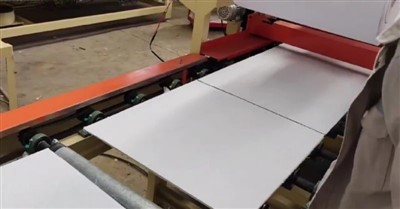

Preparatory work before equipment installation includes foundation construction, transportation plan development, electrical wiring installation, and equipment verification. The equipment installation steps should be strictly followed according to the design drawings and installation instructions, determining the location of large equipment, arranging the process flow, ensuring the equipment's levelness and verticality, and installing auxiliary equipment.
Equipment commissioning and testing are divided into two phases: single-unit commissioning and integrated commissioning. Single-unit commissioning tests the operating status of each piece of equipment, while integrated commissioning checks the coordination and cooperation between multiple pieces of equipment and performs load tests to verify equipment stability and reliability.
Daily cleaning and inspection includes regularly cleaning the equipment surface and interior, removing dust, dirt, and oil stains to prevent poor heat dissipation and accelerated wear, and checking the condition of each component, such as whether fasteners are loose, whether the lubrication system is in good condition, and whether the electrical wiring and control system are safe and reliable.
Regular maintenance includes developing and implementing a periodic maintenance plan, replacing worn or damaged parts, cleaning the lubrication system, changing the lubricating oil, and checking the insulation performance of the electrical system.
A mechanism for troubleshooting and handling common faults should be established.