
The global market for interior building materials is experiencing an unprecedented surge, particularly in developing economies across the Middle East, Southeast Asia, Africa, and Latin America. As rapid urbanization and commercial construction project pipelines expand, local building material distributors and investors are shifting their strategies. Instead of relying heavily on expensive imported finished goods, many are choosing to establish localized manufacturing plants.
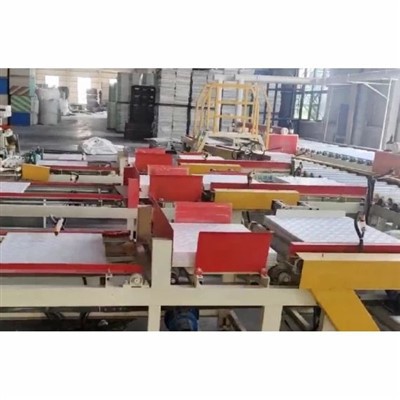
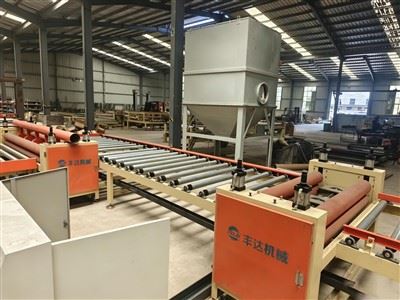
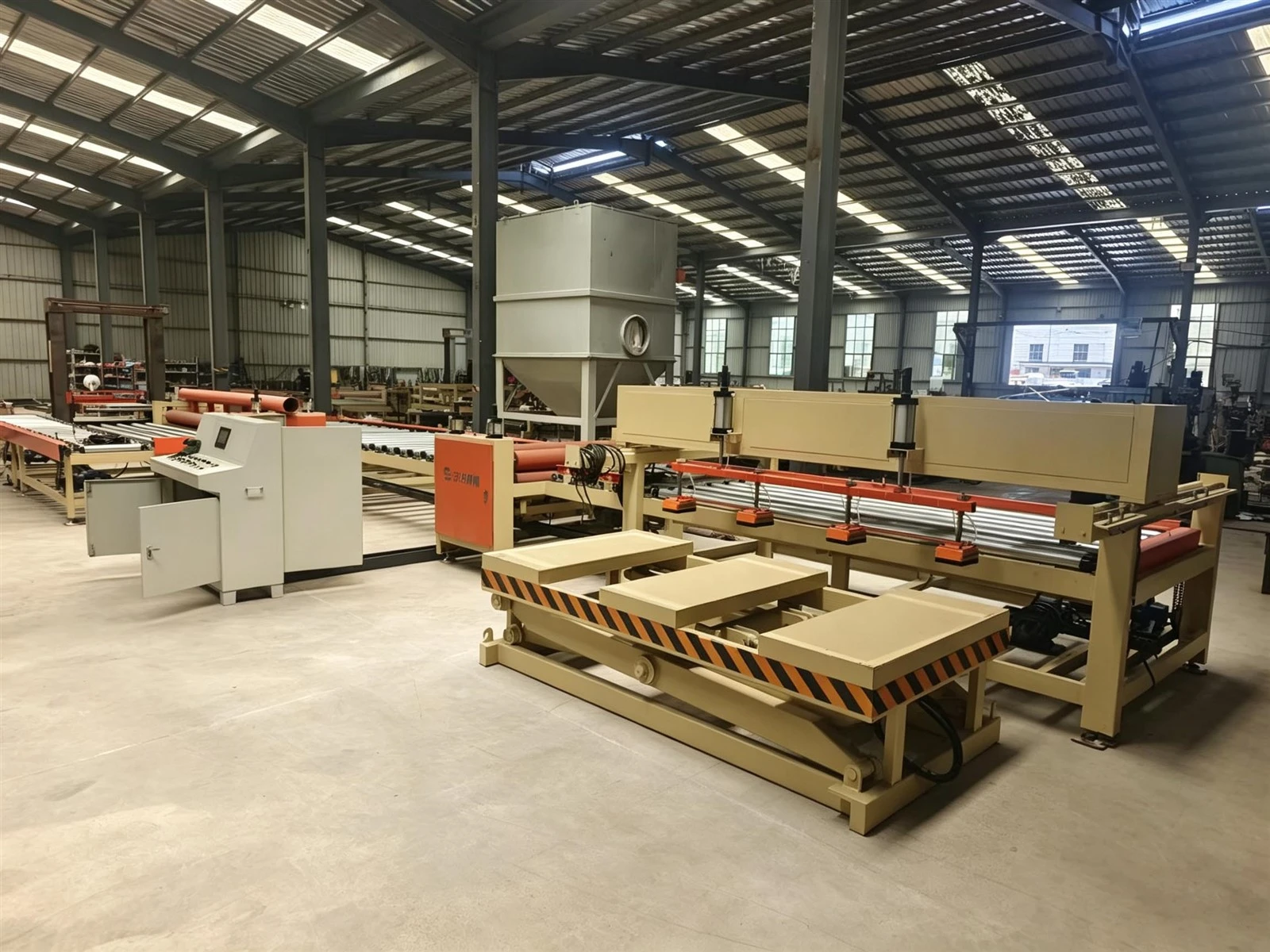
At the forefront of this trend is the investment in a fully automated Gypsum Ceiling Tile Production Line for PVC Laminated Boards. This article breaks down the market drivers and economic factors making this manufacturing asset a highly lucrative business opportunity.
1. Soaring Global Demand for PVC Laminated Gypsum Tiles
PVC laminated gypsum ceiling tiles (commonly in standard sizes like 595x595mm or 603x603mm) have become the go-to choice for commercial infrastructure, including offices, schools, hospitals, and shopping malls.
The reasons for their immense popularity are simple yet critical:
Moisture and Waterproofing: The top PVC film prevents humidity penetration, while the back aluminum foil seals the core.
Easy Maintenance: They are washable, stain-resistant, and last for decades without sagging.
Cost Efficiency: They provide a premium look at a fraction of the cost of metal or high-end acoustic mineral fiber panels.
By capturing this massive market locally, manufacturers can offer competitive pricing while maintaining incredibly healthy profit margins.
2. Drastic Reductions in Shipping and Logistics Costs
Shipping air and volume across oceans has become a logistical nightmare for building material importers. Finished ceiling tiles are bulky and heavy, leading to high maritime freight costs per square meter.
By setting up a localized gypsum ceiling tile production line, businesses can import raw materials in high-density compact forms (such as PVC film rolls, aluminum foil, and local raw gypsum boards) or source base plasterboards from regional suppliers. This completely restructures the supply chain, slashing international freight expenditure by up to 40% to 60%, making local production far more competitive than importing finished tiles.
3. High Automation Means Low Operational Overhead
Modern machinery technology has transformed what used to be a labor-intensive factory environment into a highly streamlined operation.
Today's industrial lamination and cutting lines integrate precision PLC-controlled automated workflows. A single continuous production line handles cleaning, gluing, laminating, precise multi-blade cutting, edge taping, and robotic stacking. This automation means a complete factory requires only 4 to 6 operators per shift. Reduced labor overhead means a faster path to reaching the break-even point and maximizing the factory's Return on Investment (ROI).
Strategic Sourcing: Finding the Right Machinery Partner
Investing in heavy machinery requires selecting a manufacturer that provides more than just steel and motors. A successful setup depends on:
Turnkey Factory Engineering (EPC): Look for a supplier that can provide complete workshop layout designs and electrical foundation schematics tailored to your specific facility.
High-Precision Calibration: Ensure the mechanical cutting units feature precise tracking sensors to maintain a diagonal tolerance within ±0.5mm, ensuring tiles fit perfectly into commercial Ceiling Tee Bar grid networks.
On-Site Technical Commissioning: Choose a partner with a proven global deployment team capable of flying to your site for installation, testing, and comprehensive local worker training.
As a premier developer of automated construction machinery, we specialize in high-capacity gypsum ceiling tile production lines for PVC laminated boards. Our systems are optimized for energy efficiency, minimal raw material waste, and round-the-clock industrial output.