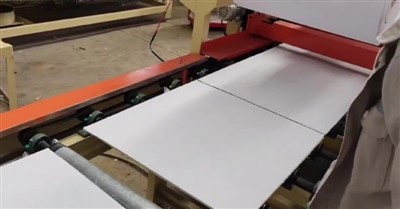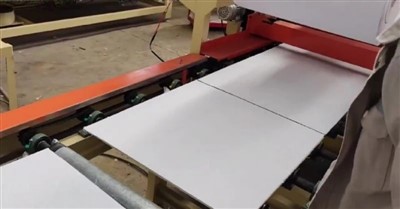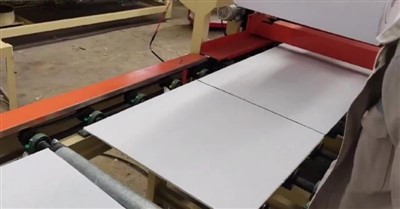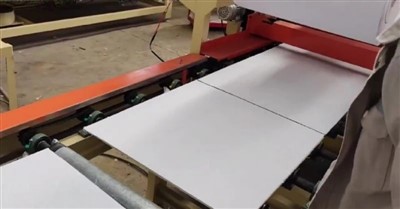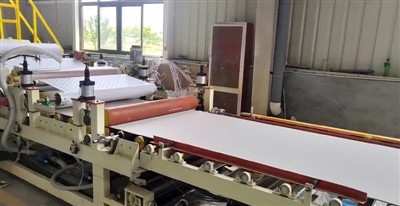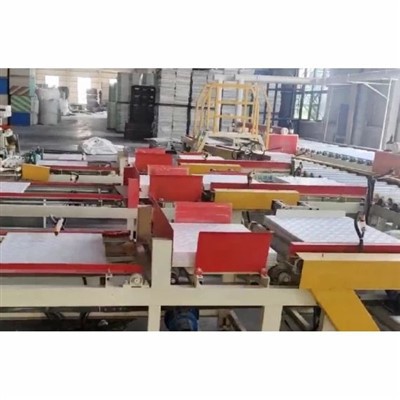


When it comes to using PVC laminated cement lines, safety is of paramount importance. As a reliable supplier of PVC laminated cement lines, I understand the significance of providing comprehensive safety information to our customers. In this blog post, I will delve into the essential safety precautions that should be taken when using PVC laminated cement lines.
1. Personal Protective Equipment (PPE)
Personal protective equipment serves as the first line of defense against potential hazards during the operation of PVC laminated cement lines. Workers should be equipped with appropriate PPE based on the specific tasks involved.
- Eye Protection: Safety glasses or goggles are essential to shield the eyes from dust, debris, and potential splashes of chemicals or adhesives used in the lamination process. Fine cement dust can cause irritation and long - term damage to the eyes, while splashes of adhesives may result in chemical burns.
- Respiratory Protection: Given that cement and other materials used in the process can generate dust, wearing a dust mask or a respirator is crucial. Masks with a high filtration efficiency can prevent inhalation of harmful particles, reducing the risk of respiratory diseases such as silicosis and lung cancer.
- Hand Protection: Gloves are necessary to protect hands from cuts, abrasions, and exposure to chemicals. Depending on the nature of the work, different types of gloves may be required. For example, nitrile gloves are suitable for handling adhesives, while cut - resistant gloves can be used when working with sharp tools or edges.
- Foot Protection: Safety boots with a steel toe cap and non - slip soles are recommended. They protect the feet from falling objects, heavy machinery, and potential slips and falls on wet or slippery floors in the production area.
2. Equipment Inspection and Maintenance
Regular inspection and maintenance of the PVC laminated cement line equipment are vital to ensure its safe and efficient operation.
- Pre - operation Inspection: Before starting the production process, a thorough pre - operation inspection should be carried out. Check for any loose parts, damaged components, or abnormal noises. Ensure that all safety guards and devices are in place and functioning properly. Inspect the electrical system for any signs of wear, short - circuits, or exposed wires.
- Regular Maintenance: Establish a regular maintenance schedule for the equipment. This includes cleaning, lubricating, and tightening of parts. Replace worn - out components in a timely manner to prevent malfunctions or breakdowns that could lead to safety accidents. For example, the rollers in the lamination section should be cleaned regularly to ensure smooth transport of the PVC - laminated cement materials.
- Calibration: Periodically calibrate the equipment to ensure accurate operation. Incorrect calibration can lead to defective products and may also pose safety risks. For instance, inaccurate pressure settings in the laminating machine can cause uneven lamination and potentially result in the separation of the PVC layer during use.
3. Chemical Handling
PVC laminated cement lines often involve the use of various chemicals, such as adhesives and solvents. Proper handling of these chemicals is essential to prevent health hazards and environmental pollution.
- Storage: Store chemicals in a well - ventilated, dedicated area away from heat sources, flames, and incompatible substances. Chemicals should be stored in their original containers with clear labels indicating their contents, hazards, and storage requirements.
- Handling Procedures: When handling chemicals, follow strict procedures. Use appropriate tools and equipment for transferring and mixing. Avoid skin contact and inhalation of chemical vapors. In case of accidental spills, have spill - control measures in place, such as absorbent materials and spill kits.
- Disposal: Dispose of chemical waste in accordance with local regulations. Do not dispose of chemicals in regular trash or pour them down the drain. Arrange for proper disposal through authorized waste management companies.
4. Fire and Explosion Prevention
The materials and processes involved in PVC laminated cement lines can pose fire and explosion risks. Therefore, appropriate prevention measures should be implemented.
- Flammable Materials Storage: Keep flammable materials, such as solvents and PVC films, in a designated storage area with proper ventilation and fire - resistant partitions. These materials should be stored away from ignition sources, including electrical equipment and open flames.
- Fire - Fighting Equipment: Install sufficient fire - fighting equipment throughout the production area, including fire extinguishers of the appropriate type (e.g., dry powder or carbon dioxide extinguishers for electrical fires and flammable liquid fires). Ensure that workers are trained in the proper use of fire - fighting equipment.
- Electrical Safety: Electrical systems can be a potential source of fire. Use explosion - proof electrical equipment in areas where there is a risk of flammable vapors or dust. Ensure that all electrical connections are secure and that wiring is in good condition. Regularly inspect electrical panels and switches for any signs of overheating or arcing.
5. Training and Education
Proper training and education of workers are crucial for ensuring safety when using PVC laminated cement lines.
- Initial Training: New workers should receive comprehensive initial training on the operation of the equipment, safety procedures, and the use of PPE. This training should cover all aspects of the production process, from material handling to equipment shutdown.
- Ongoing Training: Provide ongoing training to keep workers updated on new safety regulations, equipment upgrades, and best practices. Regular safety meetings can also be held to discuss safety issues and incidents and to reinforce safety awareness.
- Emergency Training: Train workers on emergency response procedures, such as fire evacuation, first - aid, and chemical spill response. Conduct regular emergency drills to ensure that workers can react quickly and effectively in case of an emergency.
6. Machine Guarding
Machine guarding is essential to prevent workers from coming into contact with moving parts, sharp edges, and other hazardous areas of the PVC laminated cement line equipment.
- Install Guards: Install appropriate guards on all moving parts of the equipment, such as conveyor belts, rollers, and cutting blades. Guards should be securely fastened and designed to prevent accidental access.
- Interlock Systems: Incorporate interlock systems into the equipment so that the machine stops operating when the guard is opened. This ensures that workers cannot bypass the guards while the machine is in operation.
- Regular Inspection of Guards: Regularly inspect the machine guards to ensure that they are in good condition and functioning properly. Replace any damaged or missing guards immediately.
Related Products and Equipment
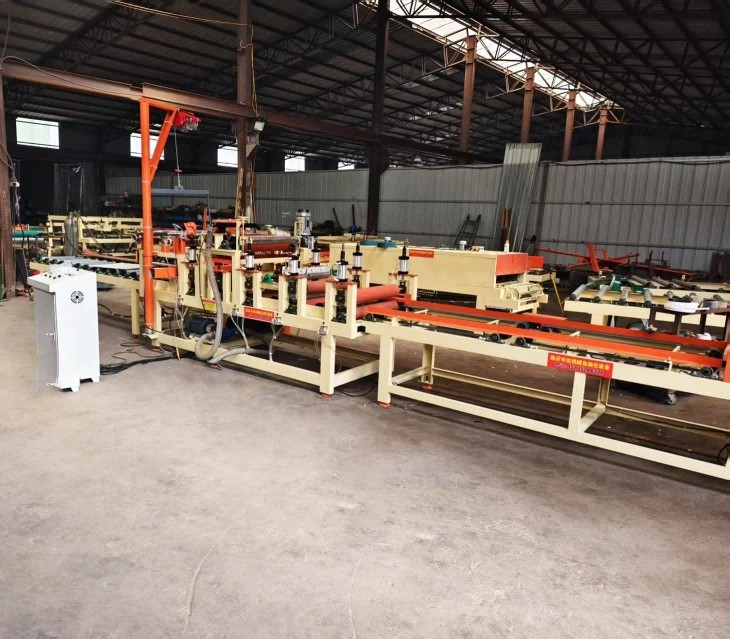
If you are interested in PVC laminated cement line - related products and equipment, we offer a range of high - quality solutions. You can learn more about our Flame - Retardant PVC Laminated Gypsum Board Production Line, PVC Laminated Gypsum Ceiling Tiles Equipment — Factory Direct, PVC - faced Gypsum Ceiling Tile Produce Line, High ROI Pvc Gypsum Tiles Production Line, and Plasterboard PVC Gypsum Lamination Line.

Conclusion
In conclusion, using PVC laminated cement lines requires strict adherence to safety precautions. By providing proper PPE, conducting regular equipment inspection and maintenance, handling chemicals safely, preventing fires and explosions, providing adequate training, and implementing effective machine guarding, the risks associated with these operations can be significantly reduced.
If you are considering purchasing a PVC laminated cement line or have any questions about safety or our products, feel free to contact us for a detailed discussion. Our team of experts is ready to assist you in making the right decision for your business needs.
References
- OSHA (Occupational Safety and Health Administration) Standards related to manufacturing equipment and chemical handling.
- Industry best practices for PVC laminated material production.