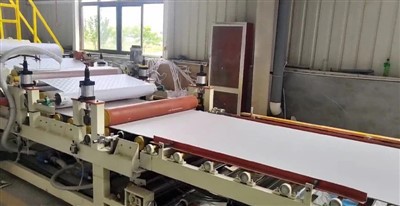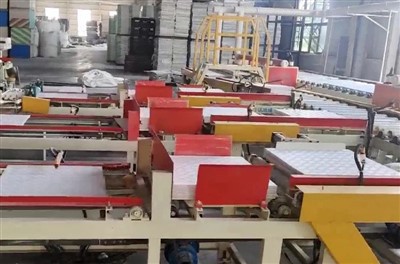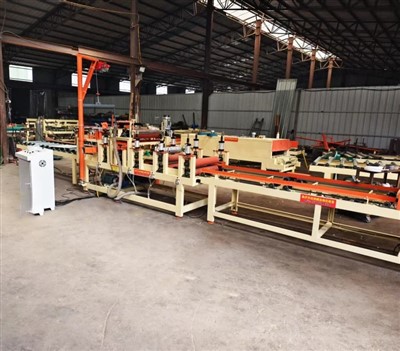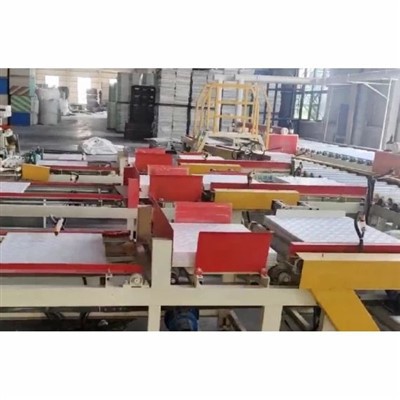


Waste management in a PVC gypsum board production line is a crucial aspect that not only impacts the environment but also the overall efficiency and cost - effectiveness of the manufacturing process. As a supplier of PVC gypsum board production lines, I've seen firsthand how proper waste management can make or break a production operation. In this blog, I'll walk you through some of the waste management methods that can be employed in a PVC gypsum board production line.
1. Source Reduction
Source reduction is all about preventing waste from being generated in the first place. In the context of a PVC gypsum board production line, this can involve optimizing the production process to use materials more efficiently.
- Precise Material Mixing: By using advanced sensors and control systems, we can ensure that the right amount of PVC, gypsum, and other additives are mixed together. This reduces the chances of over - mixing, which can lead to excess material being wasted. For example, our Automatic PVC Gypsum Tile Produce Line is equipped with state - of - the - art mixing technology that allows for precise control of the material ratios.
- Design Optimization: Working with architects and designers to create PVC gypsum board designs that minimize waste during the cutting and shaping process. For instance, designing boards in standard sizes that fit well with common construction requirements can reduce the amount of scrap material left over after cutting.
2. Recycling
Recycling is a key waste management method in a PVC gypsum board production line. There are several ways to recycle the waste materials generated during production.
- Gypsum Recycling: Gypsum is a major component of PVC gypsum boards. When scrap boards are generated during the production process, the gypsum can be recycled. First, the PVC layer is separated from the gypsum. Then, the gypsum is crushed, heated, and re - processed to be used again in the production of new boards. This not only reduces waste but also cuts down on the cost of raw materials.
- PVC Recycling: PVC is also recyclable. Once separated from the gypsum, the PVC can be shredded and melted down to be used in the production of new PVC products. Some of our machines, like the 595 *595 PVC Gypsum Ceiling Produce Machine, are designed in a way that makes it easier to separate the PVC and gypsum components for recycling.
3. Waste Segregation
Waste segregation is the process of separating different types of waste materials at the source. In a PVC gypsum board production line, this can be done in several areas.
- In - plant Segregation: Workers are trained to separate waste into different categories, such as PVC scraps, gypsum waste, and packaging materials. This makes it easier to recycle or dispose of the waste properly. For example, having separate bins for different types of waste at each workstation can encourage workers to segregate waste effectively.
- Final Product Inspection and Segregation: During the final inspection of the PVC gypsum boards, defective products are separated. These defective boards can then either be re - processed if the defect is minor or sent to the recycling process if it's more severe. Our Vinyl - faced Gypsum Ceiling Equipment has built - in quality control mechanisms that help in identifying and segregating defective products.
4. Waste Disposal
Despite our best efforts in source reduction, recycling, and segregation, there will still be some waste that cannot be recycled. In such cases, proper waste disposal is essential.
- Landfill Management: If waste has to be sent to a landfill, it's important to ensure that it's done in an environmentally responsible way. The waste should be compacted and covered regularly to prevent the release of harmful gases and to minimize the amount of space it occupies in the landfill. However, landfill disposal should be the last resort as it has a negative impact on the environment.
- Incineration: In some cases, incineration can be used to dispose of certain types of waste. However, this should only be done in facilities that are equipped with proper air pollution control systems to prevent the release of harmful pollutants into the atmosphere.
5. Composting (for Organic Additives)
Some PVC gypsum boards may contain organic additives. These additives can be composted if they are separated from the non - organic components. Composting these organic materials not only reduces waste but also creates a valuable soil amendment that can be used in agriculture or gardening.
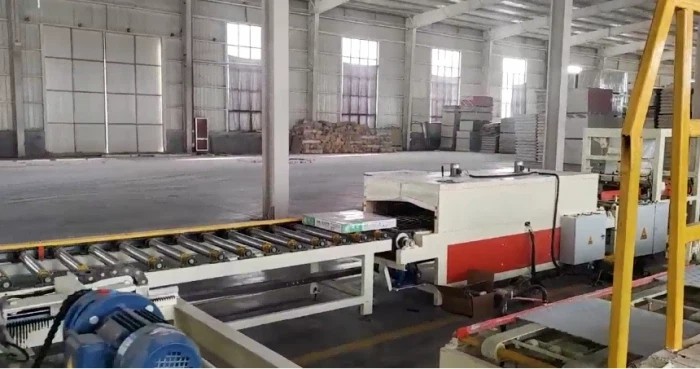
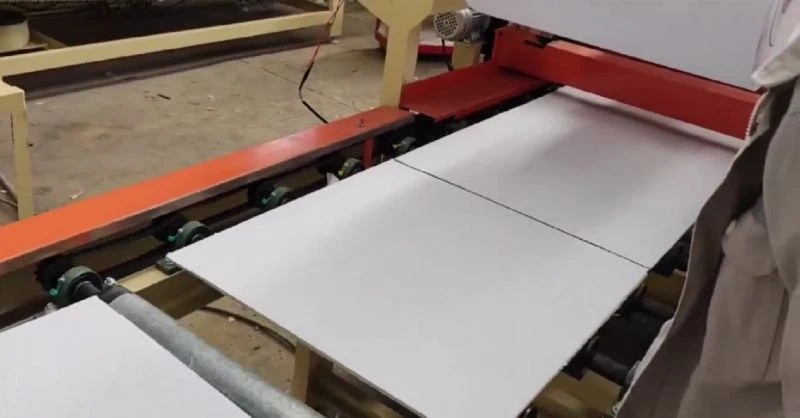
- Separation of Organic Additives: Specialized equipment can be used to separate the organic additives from the PVC and gypsum components. Once separated, the organic additives can be placed in a composting facility where they will break down over time.
Cost - benefit Analysis of Waste Management Methods
Implementing waste management methods in a PVC gypsum board production line does come with costs. However, the benefits often outweigh the costs in the long run.
- Costs: The costs of implementing waste management methods include the purchase of recycling equipment, training of workers, and the cost of transporting waste to recycling or disposal facilities. For example, buying a machine for separating PVC and gypsum can be a significant upfront investment.
- Benefits: On the other hand, the benefits are numerous. Recycling reduces the cost of raw materials, as recycled materials are often cheaper than new ones. Proper waste management also reduces the risk of environmental fines and improves the company's reputation. Additionally, by reducing waste, the production line becomes more efficient, which can lead to increased production capacity.
The Role of Technology in Waste Management
Technology plays a crucial role in waste management in a PVC gypsum board production line.
- Automated Sorting Systems: These systems use sensors and cameras to identify and separate different types of waste materials quickly and accurately. This improves the efficiency of the waste segregation process and reduces the need for manual labor.
- Process Optimization Software: Software can be used to optimize the production process to minimize waste generation. It can analyze data on material usage, production rates, and quality control to identify areas where improvements can be made.
In conclusion, waste management in a PVC gypsum board production line is a multi - faceted process that requires a combination of source reduction, recycling, segregation, and proper disposal methods. As a supplier, I understand the importance of helping our customers implement effective waste management strategies. If you're interested in purchasing a PVC gypsum board production line or want to learn more about waste management in these lines, feel free to reach out and start a conversation about your specific needs. Whether you're looking for a new PVC Laminated Gypsum Ceiling Tiles Equipment — Factory Direct or a PVC Gypsum Or Cement Ceiling Tile Production Line, we're here to assist you.
References
- Allen, J. (2020). Sustainable Manufacturing in the Building Materials Industry. Journal of Environmental Science and Technology.
- Brown, R. (2019). Waste Management Best Practices in Plastic and Gypsum Production. Manufacturing Today Magazine.
- Clark, S. (2021). The Role of Technology in Reducing Industrial Waste. Technology Innovations Journal.