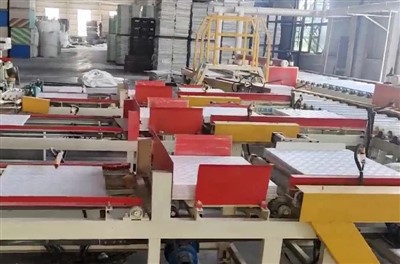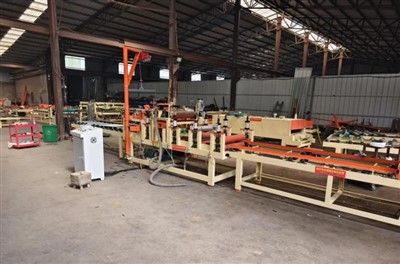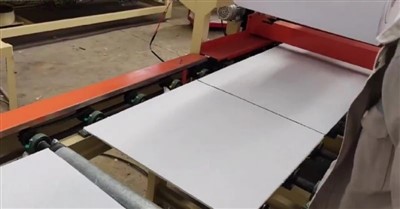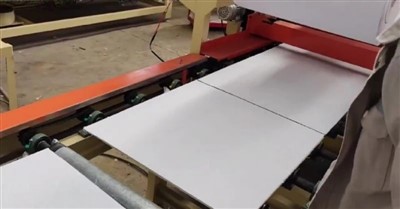


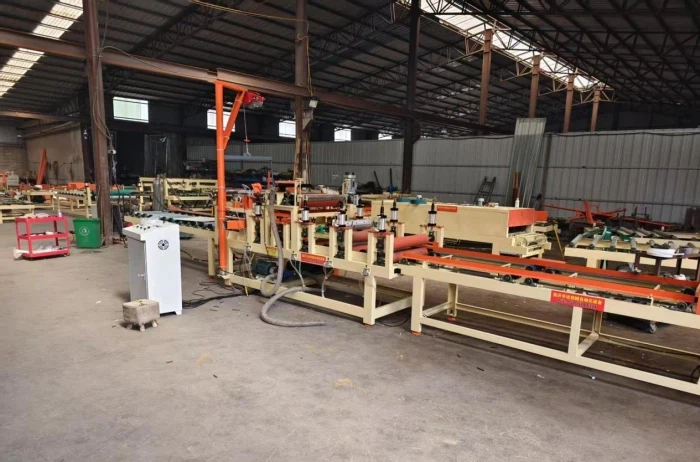
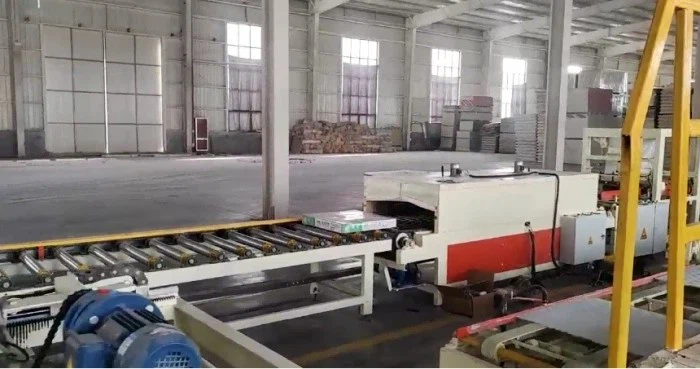
The performance of gypsum ceiling board lamination machinery is significantly influenced by the raw materials used in the production process. As a leading supplier of Gypsum Ceiling Board Lamination Machinery, we have witnessed firsthand how different raw materials can impact the efficiency, quality, and overall output of the machinery. In this blog, we will explore the various raw materials commonly used in gypsum ceiling board lamination and their effects on the performance of the machinery.
Raw Materials and Their Characteristics
Gypsum
Gypsum is the primary raw material for gypsum ceiling boards. It is a soft sulfate mineral composed of calcium sulfate dihydrate. Gypsum has several desirable properties that make it ideal for ceiling board production. It is fire - resistant, which is a crucial safety feature in building materials. It also has good acoustic and thermal insulation properties, providing a comfortable indoor environment.
The quality of gypsum can vary depending on its source and purity. High - purity gypsum with a consistent chemical composition is preferred for lamination machinery. Impurities in gypsum can cause problems during the lamination process. For example, if the gypsum contains excessive amounts of clay or other minerals, it can affect the adhesion between the gypsum board and the laminate. This may lead to delamination, where the laminate separates from the gypsum board over time.
Laminates
Laminates are used to enhance the aesthetic appeal and durability of gypsum ceiling boards. There are different types of laminates available, such as PVC (Polyvinyl Chloride) laminates, melamine laminates, and paper laminates.
- PVC Laminates: PVC laminates are widely used in gypsum ceiling board lamination due to their versatility and durability. They come in a variety of colors, patterns, and textures, allowing for a wide range of design options. PVC laminates are also resistant to moisture, scratches, and stains, making them suitable for high - traffic areas. When using PVC laminates in our Full Automatic PVC Gypsum Ceiling Tiles Line, the machinery needs to be adjusted to ensure proper adhesion. The temperature and pressure settings during the lamination process are critical to achieving a strong bond between the PVC laminate and the gypsum board.
- Melamine Laminates: Melamine laminates are known for their high - gloss finish and excellent wear resistance. They are often used in commercial settings where a more sophisticated look is required. However, melamine laminates can be more brittle than PVC laminates, and the lamination machinery needs to handle them with care. Improper handling can lead to cracking or chipping of the laminate during the lamination process.
- Paper Laminates: Paper laminates are a more cost - effective option. They are typically used for less demanding applications. Paper laminates are more prone to damage from moisture and abrasion compared to PVC and melamine laminates. The lamination machinery may need to apply a protective coating to increase the durability of paper - laminated gypsum ceiling boards.
Adhesives
Adhesives play a crucial role in the lamination process. They are responsible for bonding the laminate to the gypsum board. Different types of adhesives have different bonding strengths, curing times, and chemical properties.
- Solvent - based Adhesives: Solvent - based adhesives are known for their strong bonding strength. They can provide a quick and reliable bond between the laminate and the gypsum board. However, they contain volatile organic compounds (VOCs), which can be harmful to the environment and human health. The lamination machinery needs to be equipped with proper ventilation systems to handle solvent - based adhesives safely.
- Water - based Adhesives: Water - based adhesives are more environmentally friendly as they have lower VOC emissions. They are also easier to clean up. However, they may have a longer curing time compared to solvent - based adhesives. The lamination machinery may need to adjust the drying and curing processes to ensure the proper bonding of water - based adhesives.
Impact on Machinery Performance
Efficiency
The type of raw materials used can significantly affect the efficiency of the gypsum ceiling board lamination machinery. For example, if the gypsum has inconsistent particle size or moisture content, it can cause blockages in the feeding system of the machinery. This can lead to downtime for cleaning and maintenance, reducing the overall production efficiency.
Similarly, the choice of laminate and adhesive can also impact efficiency. Some laminates may require longer heating or pressing times to achieve a proper bond. If the machinery is not optimized for these materials, it may operate at a slower speed, resulting in lower production rates. For instance, when using a PVC Laminated Line for Gypsum Wallboards, the machinery needs to be adjusted according to the specific properties of the PVC laminate and the adhesive used.
Quality of Output
The quality of the final product is directly related to the raw materials used and the performance of the lamination machinery. If the raw materials are of poor quality, it can lead to defects in the gypsum ceiling boards. For example, if the adhesive does not bond well with the laminate and the gypsum board, it can result in blistering, peeling, or uneven surfaces.
The surface finish of the laminate also affects the quality of the output. Some laminates may have a rough or uneven surface, which can be difficult to laminate smoothly. The lamination machinery needs to be able to handle these challenges to ensure a high - quality finish. Our Ceiling PVC Laminated Gypsum Tile Machinery is designed to provide a smooth and consistent lamination process, but the quality of the raw materials still plays a crucial role.
Maintenance and Longevity
The choice of raw materials can also impact the maintenance requirements and longevity of the lamination machinery. For example, if the raw materials contain abrasive particles, they can cause wear and tear on the machinery components. This may require more frequent maintenance and replacement of parts, increasing the overall cost of operation.
Some adhesives may leave residues on the machinery, which can affect its performance over time. Regular cleaning and maintenance are necessary to prevent the build - up of these residues. The type of laminate used can also influence the wear on the lamination rollers and other components. For instance, a hard and abrasive laminate may cause more damage to the rollers compared to a softer laminate.
Considerations for Raw Material Selection
When selecting raw materials for gypsum ceiling board lamination, several factors need to be considered.
- Cost: The cost of raw materials is an important consideration for any manufacturing process. However, it is essential to balance cost with quality. Cheaper raw materials may seem attractive in the short term, but they can lead to higher production costs in the long run due to increased waste, lower product quality, and more frequent maintenance.
- Quality Requirements: The quality requirements of the final product should drive the raw material selection. If the gypsum ceiling boards are intended for high - end applications, high - quality laminates and adhesives should be used. On the other hand, for more budget - friendly projects, cost - effective raw materials may be suitable.
- Environmental Impact: With increasing environmental concerns, the environmental impact of raw materials is becoming more important. Water - based adhesives and sustainable laminates are preferred as they have lower VOC emissions and are more environmentally friendly.
Conclusion
In conclusion, the raw materials used in gypsum ceiling board lamination have a profound impact on the performance of the lamination machinery. From efficiency and quality of output to maintenance and longevity, every aspect of the machinery's operation is influenced by the choice of raw materials. As a supplier of Gypsum Ceiling Board Lamination Machinery, we understand the importance of selecting the right raw materials and optimizing the machinery for different materials.
If you are interested in our gypsum ceiling board lamination machinery or have any questions about raw material selection and its impact on machinery performance, please feel free to contact us for a detailed discussion and procurement negotiation. We are committed to providing you with the best solutions for your gypsum ceiling board production needs.
References
- ASTM International. (2023). Standards related to gypsum and building materials.
- Smith, J. (2022). "Advances in Gypsum Board Lamination Technology." Journal of Building Materials Science.
- Brown, A. (2021). "The Impact of Raw Materials on Manufacturing Processes." Manufacturing Today Magazine.