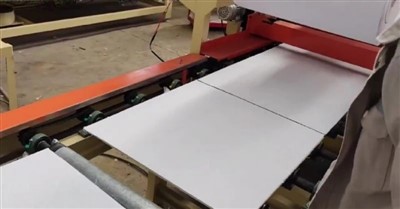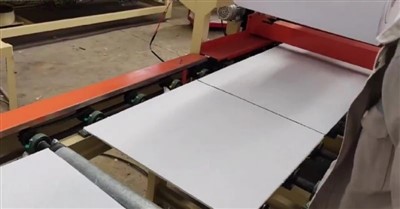


As a supplier of PVC Gypsum Ceiling Tile Production Equipment, I often receive inquiries from customers about various aspects of the equipment. One of the most frequently asked questions is about the wear - resistance of parts in the production equipment. In this blog, I will delve into what wear - resistance means in the context of PVC gypsum ceiling tile production equipment, why it is crucial, and how it impacts the overall performance of the machinery.
Understanding Wear - Resistance
Wear - resistance refers to the ability of a material or a part to withstand the effects of wear, which can be caused by friction, abrasion, erosion, or impact during normal operation. In the case of PVC gypsum ceiling tile production equipment, different parts are exposed to different types of wear. For example, the cutting blades are subjected to abrasion as they slice through the PVC gypsum boards, while the conveyor belts experience friction as they move the materials along the production line.
A high level of wear - resistance is essential for these parts because it directly affects the longevity and reliability of the equipment. When parts have good wear - resistance, they can maintain their functionality over a longer period, reducing the frequency of replacements and minimizing downtime for maintenance.
Key Parts and Their Wear - Resistance Requirements
Cutting Blades
Cutting blades are one of the most critical parts in PVC gypsum ceiling tile production. They need to be extremely wear - resistant to ensure clean and precise cuts. The wear on cutting blades is mainly due to the abrasiveness of the gypsum and PVC materials. A blade with poor wear - resistance will quickly become dull, leading to uneven cuts, rough edges, and a decrease in the quality of the ceiling tiles. To enhance wear - resistance, cutting blades are often made from high - grade steel alloys or coated with hard materials such as tungsten carbide.
Conveyor Belts
Conveyor belts play a vital role in transporting the PVC gypsum boards through the production process. They are constantly in contact with the boards, which causes friction. Over time, this friction can lead to wear and tear on the belt surface. A wear - resistant conveyor belt is necessary to prevent premature damage and ensure smooth material flow. Specialized rubber compounds with high abrasion resistance are commonly used to make conveyor belts for PVC gypsum ceiling tile production.
Molding Dies
Molding dies are used to shape the PVC gypsum ceiling tiles into the desired forms. They are exposed to high pressure and heat during the molding process, which can cause wear. A wear - resistant molding die can maintain its shape and dimensions accurately, resulting in consistent and high - quality ceiling tiles. Die steels with excellent wear - resistance properties are often employed in the manufacturing of these dies.
Importance of Wear - Resistance in PVC Gypsum Ceiling Tile Production
Quality of Ceiling Tiles
The wear - resistance of parts directly impacts the quality of the PVC gypsum ceiling tiles produced. As mentioned earlier, dull cutting blades can lead to rough edges, and worn - out molding dies can cause defects in the tile shape. By using equipment with high - wear - resistant parts, manufacturers can ensure that the ceiling tiles meet the required quality standards, which is crucial for customer satisfaction and market competitiveness.


Cost - Efficiency
Investing in equipment with wear - resistant parts can significantly reduce production costs in the long run. Although the initial cost of such equipment may be higher, the reduced frequency of part replacements and maintenance means lower operating costs. For example, a wear - resistant cutting blade may cost more upfront but will last much longer than a cheaper, less wear - resistant one, saving money on blade replacements and reducing downtime.
Productivity
Wear - resistant parts contribute to higher productivity. When parts do not wear out quickly, the production line can operate continuously without frequent interruptions for maintenance or part replacements. This allows manufacturers to produce more ceiling tiles in a given period, increasing overall output and profitability.
Our Solutions for Wear - Resistance
At our company, we understand the importance of wear - resistance in PVC gypsum ceiling tile production equipment. We offer a range of high - quality machines that are designed with wear - resistant parts.
For instance, our Gypsum Ceiling Board Lamination Machinery is equipped with cutting blades made from premium steel alloys that have excellent wear - resistance. These blades can make precise cuts for a long time, ensuring the quality of the laminated ceiling boards.
Our Automatic PVC Film Laminating Gypsum Machine features conveyor belts made from specialized rubber compounds that can withstand the friction of transporting the gypsum boards. This ensures smooth operation and reduces the risk of material jams.
The Machine for PVC Gypsum Ceiling Tiles is designed with molding dies made from high - grade die steels. These dies can maintain their shape and accuracy even after repeated use, resulting in consistent and high - quality ceiling tiles.
We also have the Cost - Effective PVC Gypsum Ceiling Tiles Lamination Machine For Medium Factory, which combines cost - efficiency with high wear - resistance. This machine is suitable for medium - sized factories that want to produce high - quality ceiling tiles at a reasonable cost.
And our PVC Laminated Line for Gypsum Wallboards is built with wear - resistant parts throughout the production line, ensuring long - term reliability and high - quality output.
Contact Us for Purchase and Negotiation
If you are interested in our PVC gypsum ceiling tile production equipment and want to learn more about the wear - resistance of our parts or negotiate a purchase, we welcome you to reach out. Our team of experts is ready to provide you with detailed information and answer all your questions. We are committed to helping you find the most suitable equipment for your production needs and ensuring that you get the best value for your investment.
References
- ASTM International. (2019). Standard Test Methods for Abrasion Resistance of Materials.
- ASM Handbook Committee. (2005). ASM Handbook Volume 18: Friction, Lubrication, and Wear Technology.
- Machinery's Handbook Editorial Staff. (2017). Machinery's Handbook 30th Edition.