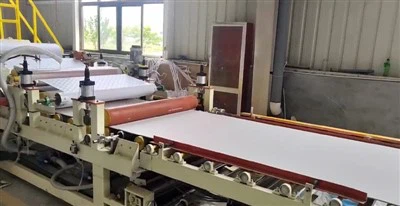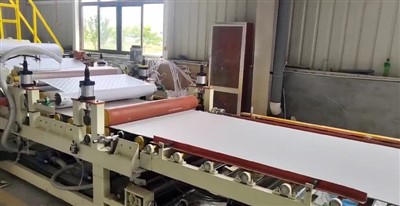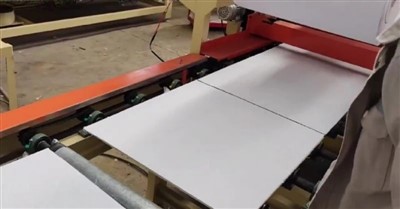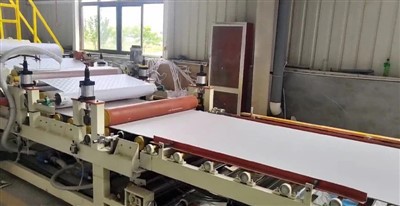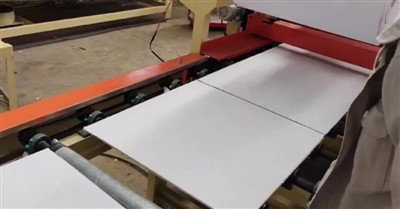


Hey there! I'm a supplier of Moisture - Resistant PVC Gypsum Ceiling Equipment, and I know how important it is to pick the right thickness for your equipment. In this blog, I'll share some tips on how you can make that choice.
Why Thickness Matters
First off, let's talk about why the thickness of the moisture - resistant PVC gypsum ceiling equipment is a big deal. The thickness affects several things, like the strength, durability, and insulation properties of the ceiling.
If you have a high - traffic area, say a commercial space like a mall or a restaurant, you'll want a thicker ceiling. A thicker ceiling can withstand more wear and tear, and it's less likely to get damaged from bumps or vibrations. On the other hand, if it's a low - traffic area like a small bedroom or a storage room, you can go for a thinner option.
Factors to Consider When Choosing Thickness
1. Location and Environment
The environment where the ceiling will be installed plays a huge role. If you're installing the ceiling in a place with high humidity, like a bathroom or a laundry room, you'll need a thicker and more moisture - resistant option. Thicker ceilings can better resist the effects of moisture, such as warping or mold growth.
For example, in a coastal area where the air is salty and humid, a thicker moisture - resistant PVC gypsum ceiling can last longer and maintain its appearance. In contrast, in a dry climate, you might have more flexibility in choosing a thinner ceiling.
2. Purpose of the Space
As I mentioned earlier, the purpose of the space matters. In a home theater, you might want a thicker ceiling to help with sound insulation. A thicker ceiling can absorb more sound waves, making your movie - watching experience more immersive.
In an office space, however, you might be more concerned with the overall aesthetic and cost. A moderately thick ceiling can provide a good balance between looks and affordability.
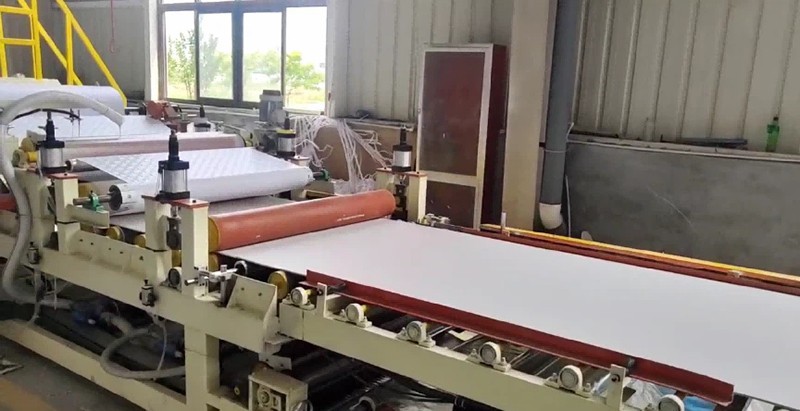
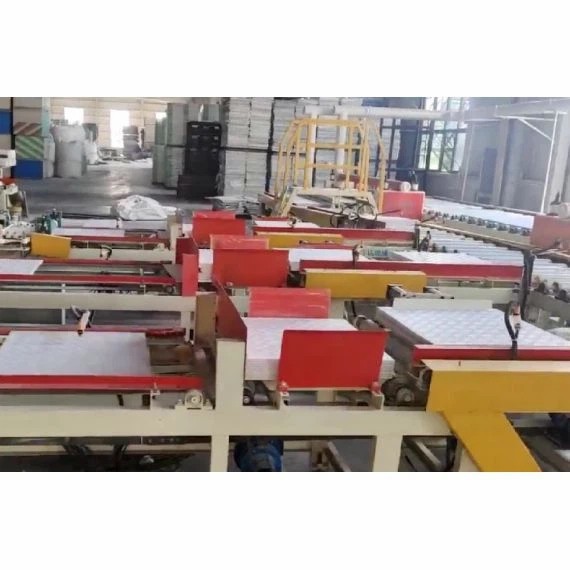
3. Structural Support
The structural support of the building also influences the thickness choice. If your building has strong support beams and a solid structure, you can consider a thicker ceiling. But if the structure has limitations, a thinner ceiling might be a better option to avoid overloading the support system.
For instance, in an older building with weaker structures, a thinner moisture - resistant PVC gypsum ceiling can be a safer choice.
Different Thickness Options and Their Uses
6mm Thickness
A 6mm thick moisture - resistant PVC gypsum ceiling is a popular choice for low - traffic residential areas. It's relatively lightweight, which makes it easy to install. This thickness is also cost - effective, so it's great for those on a budget. You can find a wide range of designs and colors in 6mm ceilings, making them suitable for adding a touch of style to your home. Check out our PVC Gypsum Board Production Lines for more options in different thicknesses.
8mm Thickness
The 8mm option offers a bit more strength and durability compared to the 6mm one. It's a good choice for medium - traffic areas, both in residential and commercial settings. For example, you can use it in hallways or small offices. The 8mm thickness also provides better insulation against heat and sound. Our Ceiling PVC Laminated Gypsum Tile Machinery can produce high - quality 8mm ceilings.
10mm Thickness
If you need a ceiling for a high - traffic area or a place with high moisture, the 10mm thickness is a great option. It's more resistant to damage and can handle the stress of constant use. In commercial kitchens or large conference rooms, a 10mm moisture - resistant PVC gypsum ceiling is a reliable choice. You can explore our 2*2 Gypsum Ceiling Sheet Plant for options in this thickness.
12mm Thickness
The 12mm ceiling is the thickest option we usually offer. It provides the highest level of strength, durability, and insulation. It's typically used in industrial settings or large commercial buildings where maximum protection is required. Our High ROI Pvc Gypsum Tiles Production Line can produce high - quality 12mm ceilings.
How to Test the Thickness
When you're considering purchasing moisture - resistant PVC gypsum ceiling equipment, it's a good idea to test the thickness. You can use a simple measuring tool, like a caliper. Make sure to measure at different points on the ceiling to ensure uniform thickness.
Also, don't just rely on the product description. Sometimes, the actual thickness might vary slightly. By testing it yourself, you can be more confident in your purchase. Our 595 *595 PVC Gypsum Ceiling Produce Machine produces ceilings with consistent thickness, but it's always a good practice to double - check.
Making the Final Decision
After considering all the factors, it's time to make the final decision. Think about your budget, the specific requirements of the space, and your long - term goals. A thicker ceiling might cost more upfront, but it can save you money in the long run by reducing maintenance and replacement costs.
If you're still not sure, don't hesitate to reach out to us. We have a team of experts who can guide you through the process and help you choose the right thickness for your needs.
Let's Get in Touch
Choosing the right thickness of moisture - resistant PVC gypsum ceiling equipment is crucial for the success of your project. Whether you're a homeowner, a builder, or a contractor, we're here to help. Contact us today to discuss your requirements and start the procurement process. We look forward to working with you!
References
- Building Construction Handbook, by Francis D.K. Ching
- Interior Design: A Foundation Course, by Jennifer Bloomfield