

What are the production line layout principles for a PVC Laminated Gypsum Board Plant?
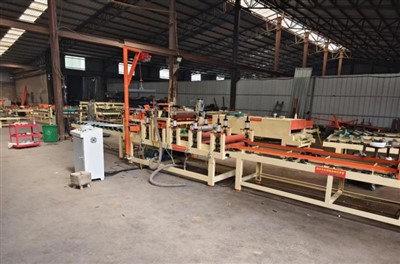
As a seasoned supplier of PVC Laminated Gypsum Board Plant equipment, I've had the privilege of witnessing firsthand the transformative impact of a well - planned production line layout. In this blog, I'll share the key principles that underpin an efficient and productive PVC laminated gypsum board production line.
1. Flow and Continuity
The first and perhaps most crucial principle is to ensure a smooth and continuous flow of materials and products throughout the production process. This means arranging the equipment in a logical sequence that mirrors the steps of the manufacturing process. For instance, the raw material storage area should be located close to the mixing section, so that the gypsum, additives, and PVC films can be easily transported for mixing.
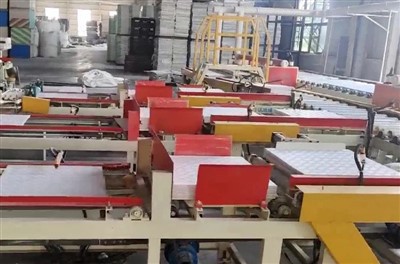
The mixing equipment should then be adjacent to the forming section, where the mixture is shaped into boards. After forming, the boards should flow seamlessly to the drying area, and then to the lamination section. This continuous flow minimizes the time and effort required to move materials between different stages, reducing the risk of bottlenecks and improving overall productivity.
2. Space Utilization
Efficient space utilization is essential in a PVC laminated gypsum board plant. The layout should make the most of the available floor space while allowing for easy movement of workers and equipment. One way to achieve this is by using a modular design approach. Modular equipment can be arranged in a compact and flexible manner, allowing for easy expansion or reconfiguration as the production needs change.
For example, the drying ovens can be stacked vertically or arranged in a zig - zag pattern to save floor space. Additionally, storage areas should be designed to maximize the use of vertical space, with racks and shelves for storing raw materials and finished products. This not only saves space but also makes it easier to access and manage inventory.
3. Safety and Ergonomics
Safety should always be a top priority in any manufacturing plant. The production line layout should be designed to minimize the risk of accidents and injuries. This includes providing adequate space for workers to move around safely, installing safety guards on machinery, and ensuring proper ventilation to remove dust and fumes.
Ergonomics is also an important consideration. Workers should be able to perform their tasks comfortably and efficiently without having to strain or reach too far. For example, control panels should be placed at a convenient height, and workstations should be designed to reduce the risk of repetitive strain injuries.
4. Quality Control
Quality control is an integral part of the PVC laminated gypsum board production process. The layout should include dedicated areas for quality inspection at various stages of production. For example, there should be a quality control station after the forming process to check the dimensions and surface quality of the boards. Another inspection point can be located after the lamination process to ensure that the PVC film is properly adhered to the gypsum board.
By incorporating quality control points into the production line layout, manufacturers can identify and address any quality issues early on, reducing the number of defective products and improving customer satisfaction.
5. Flexibility and Adaptability
The PVC laminated gypsum board market is constantly evolving, with new products and production techniques emerging all the time. Therefore, the production line layout should be flexible and adaptable to accommodate these changes. This can be achieved by using equipment that can be easily reconfigured or upgraded.
For example, if there is a demand for a new type of PVC laminated gypsum board with different dimensions or surface finishes, the production line should be able to adjust quickly. This might involve changing the settings on the forming equipment or adding new lamination processes.
6. Integration of Technology
In today's digital age, the integration of technology is crucial for the success of a PVC laminated gypsum board plant. The production line should be equipped with advanced automation systems, sensors, and control software to monitor and optimize the production process.
For example, sensors can be used to measure the temperature, humidity, and pressure in the drying ovens, ensuring that the boards are dried to the correct specifications. Automation systems can also be used to control the flow of materials and products, reducing the need for manual intervention and improving efficiency.
Equipment Considerations
When planning the production line layout, it's important to choose the right equipment. Here are some of the key pieces of equipment and their considerations:


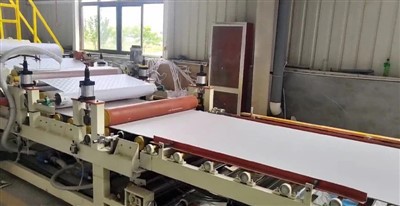
- PVC Laminated Cement Line: The PVC Laminated Cement Line is a critical part of the production process. It should be selected based on the production capacity, the type of PVC film used, and the quality requirements. A well - designed PVC laminated cement line can ensure a strong and durable bond between the PVC film and the gypsum board.
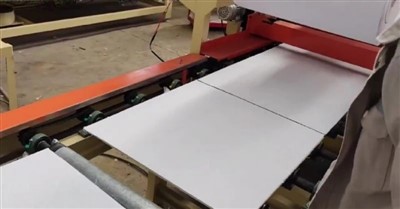
- PVC Laminated Gypsum Ceiling Board Making Machine: The PVC Laminated Gypsum Ceiling Board Making Machine is responsible for forming the gypsum boards and laminating the PVC film onto them. It should be able to produce boards of different sizes and thicknesses with high precision.
- Automatic PVC Gypsum Ceiling Lamination Machine: The Automatic PVC Gypsum Ceiling Lamination Machine automates the lamination process, improving efficiency and reducing labor costs. It should be equipped with advanced features such as temperature control, pressure adjustment, and speed regulation.
Conclusion
In conclusion, a well - designed production line layout is essential for the success of a PVC laminated gypsum board plant. By following the principles of flow and continuity, space utilization, safety and ergonomics, quality control, flexibility and adaptability, and technology integration, manufacturers can create a production line that is efficient, productive, and capable of meeting the changing demands of the market.
If you're interested in setting up a PVC laminated gypsum board plant or upgrading your existing production line, I'd be more than happy to discuss your specific needs and provide you with the best solutions. Contact us today to start the conversation about your PVC laminated gypsum board production requirements.
References
- Smith, J. (2018). Manufacturing Process Design for Building Materials. Publisher X.
- Johnson, A. (2020). Automation in the Construction Materials Industry. Journal of Industrial Engineering, 15(2), 34 - 45.