

Quality control is paramount in a PVC laminated gypsum board plant to ensure that the produced boards meet the required standards and customer expectations. As a seasoned supplier of PVC laminated gypsum boards, I understand the significance of maintaining strict quality control measures at every stage of the production process. In this blog post, I will share the key quality control points that we focus on in our plant.


Raw Material Inspection
The quality of raw materials directly impacts the final product. We source high - grade gypsum powder, PVC films, and other additives from reliable suppliers. Before using any raw material, a comprehensive inspection is carried out.
For gypsum powder, we check its chemical composition, particle size distribution, and setting time. The chemical composition should meet the industry - specified standards to ensure proper strength and durability of the gypsum board. The particle size affects the workability and surface finish of the board. A consistent particle size distribution helps in achieving uniform properties throughout the board.
The PVC films are inspected for their thickness, transparency, and color consistency. The thickness of the PVC film is crucial as it affects the protective and decorative functions of the laminated board. Transparency is important for applications where the underlying gypsum board's appearance is also considered. Color consistency ensures that the final laminated boards have a uniform look, which is essential for aesthetic - sensitive projects.
Production Process Control
Mixing Process
The mixing of gypsum powder, water, and additives is a critical step. We control the ratio of these components precisely. Incorrect ratios can lead to issues such as weak boards, improper setting, or excessive shrinkage. During the mixing process, we monitor the temperature and humidity of the mixing environment, as these factors can influence the chemical reactions in the gypsum paste.
We also ensure that the mixing is thorough and uniform. Any lumps in the mixture can cause defects in the final board, such as uneven surfaces or weak spots. Specialized mixing equipment is used to achieve a homogenous mixture, and we regularly maintain and calibrate this equipment to ensure its optimal performance.
Board Forming
Once the gypsum mixture is ready, it is formed into boards. The forming process requires strict control over the thickness and dimensions of the boards. We use precision - engineered rollers and molds to shape the boards accurately. The speed of the forming machine is also carefully adjusted to ensure a continuous and stable production process.
During board forming, we check for any visible defects such as air bubbles, cracks, or uneven edges. These defects can affect the installation and performance of the boards. Any defective boards are immediately removed from the production line to prevent them from entering the next stage of the process.
Lamination Process
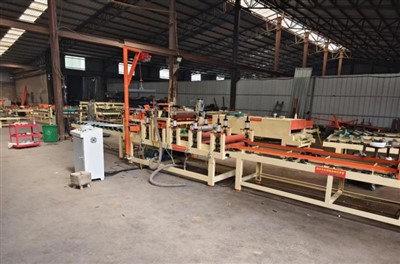
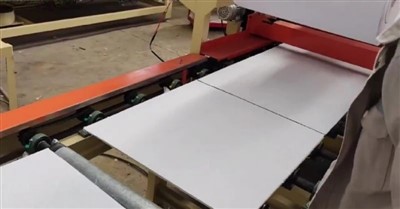
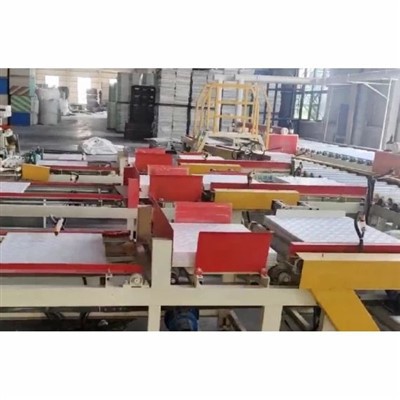
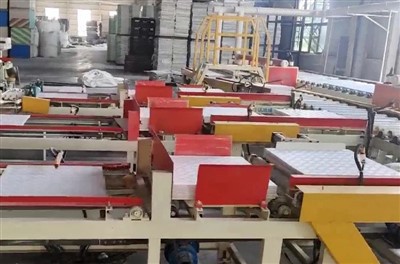
The lamination of the PVC film onto the gypsum board is a key step in creating the PVC laminated gypsum board. We use PVC Coated Gypsum Ceiling Tiles Machine which offers a high - level of precision. The temperature and pressure during the lamination process are closely monitored. Incorrect temperature can lead to poor adhesion between the PVC film and the gypsum board, while improper pressure can cause wrinkles or uneven lamination.
We also ensure that the alignment of the PVC film is accurate. Any misalignment can result in a less - than - perfect final product, with visible gaps or uneven edges. The PVC Gypsum Ceiling Tiles Machine Advantage lies in its ability to provide consistent and high - quality lamination, which is a result of strict quality control during this process.
Drying and Curing
After lamination, the boards need to be dried and cured properly. The drying process removes excess moisture from the boards, and the curing process allows the gypsum to fully harden. We control the temperature and humidity in the drying and curing chambers to ensure a uniform and efficient process.
If the drying process is too fast, the boards may develop cracks due to rapid moisture loss. On the other hand, if the drying is too slow, it can lead to mold growth and poor strength development. The curing time is also crucial, as insufficient curing can result in weak boards that are prone to damage.
Finished Product Inspection
Once the boards are dried and cured, a final inspection is carried out. The finished boards are checked for their physical properties, such as strength, hardness, and flexibility. We use standardized testing methods to measure these properties and compare the results with the industry standards.
The appearance of the boards is also carefully examined. We look for any scratches, stains, or color variations on the PVC - laminated surface. The edges of the boards are inspected for smoothness and evenness, as rough edges can cause difficulties during installation.
Storage and Transportation
Proper storage and transportation are also important quality control aspects. We store the finished boards in a dry and well - ventilated area to prevent moisture absorption, which can damage the boards. The boards are stacked in a way that minimizes the risk of deformation.
During transportation, we use appropriate packaging materials to protect the boards from physical damage. Care is taken to ensure that the boards are not exposed to extreme temperatures or humidity during transit.
Quality Control System
To maintain consistent quality, we have established a comprehensive quality control system. This system includes regular equipment maintenance, employee training programs, and quality audits. Our equipment is serviced and calibrated regularly to ensure its accuracy and reliability.
We train our employees on quality control procedures and industry best practices. They are responsible for implementing quality control measures at every stage of the production process. Quality audits are conducted periodically to evaluate the effectiveness of our quality control system and identify areas for improvement.
Conclusion
In conclusion, quality control in a PVC laminated gypsum board plant involves a series of meticulous steps, from raw material inspection to finished product delivery. By focusing on these quality control points, we are able to produce high - quality PVC laminated gypsum boards that meet the diverse needs of our customers.
If you are in the market for PVC laminated gypsum boards or want to learn more about our production process, we invite you to contact us for procurement and further discussions. Our team of experts is ready to assist you in finding the best solutions for your projects.
References
- ASTM International standards for gypsum board products.
- Industry - specific guidelines on PVC lamination processes.