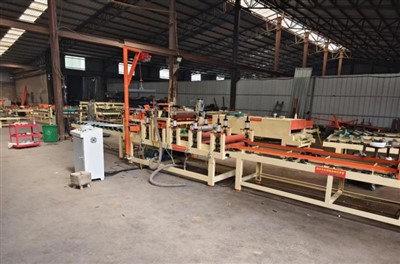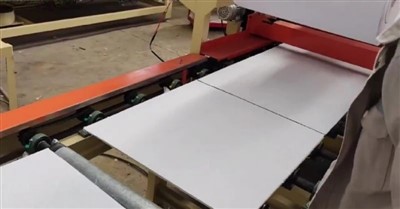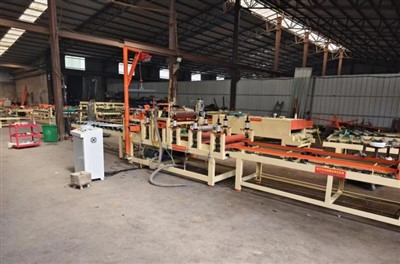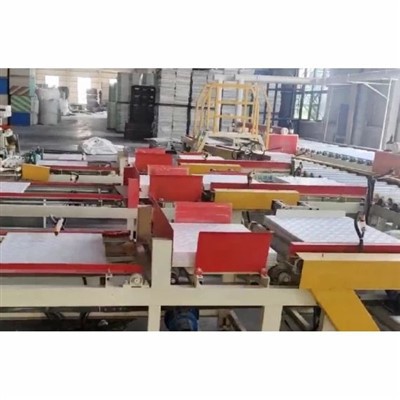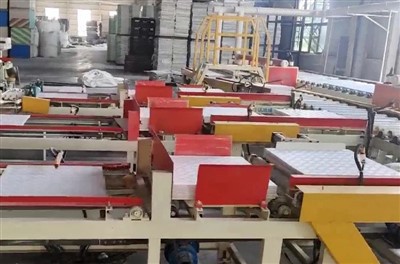


As a supplier of Automatic PVC Gypsum Tile Produce Lines, I've witnessed firsthand the importance of optimizing the performance of these production lines. In this blog, I'll share some practical tips and strategies to help you get the most out of your Automatic PVC Gypsum Tile Produce Line.
1. Regular Maintenance and Inspection
One of the most crucial aspects of optimizing the performance of an Automatic PVC Gypsum Tile Produce Line is regular maintenance and inspection. Just like any other machinery, these production lines require routine upkeep to ensure they operate at peak efficiency.

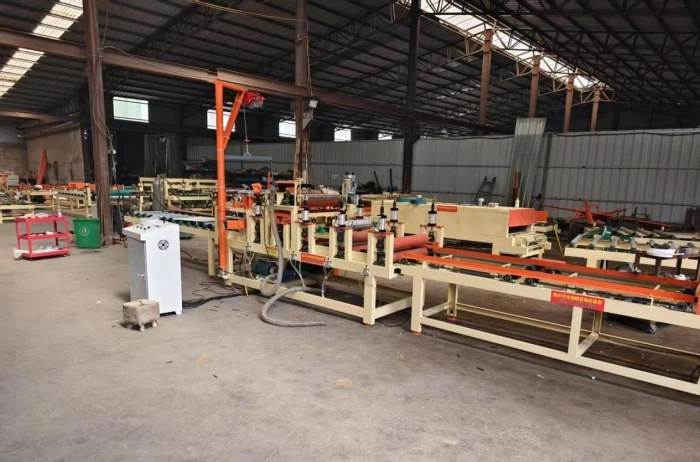
- Cleaning: Regularly clean all components of the production line, including the conveyor belts, molds, and cutting tools. Dust and debris can accumulate over time, leading to reduced performance and even damage to the equipment. Use appropriate cleaning agents and tools to remove any build - up.
- Lubrication: Proper lubrication of moving parts is essential. Check the lubrication levels regularly and add lubricant as needed. This helps to reduce friction, prevent wear and tear, and extend the lifespan of the components.
- Inspection: Conduct thorough inspections of the production line on a regular basis. Look for signs of wear, damage, or misalignment. Check the electrical connections, sensors, and control systems to ensure they are functioning properly. Any issues should be addressed immediately to prevent further damage and downtime.
2. Quality Control of Raw Materials
The quality of the raw materials used in the production of PVC gypsum tiles has a significant impact on the performance of the production line and the final product.
- PVC Resin: Choose high - quality PVC resin that meets the required specifications. The resin should have good flow properties, high strength, and excellent weather resistance. Poor - quality resin can lead to issues such as uneven surfaces, low strength, and poor adhesion.
- Gypsum: Use high - purity gypsum with the right particle size distribution. The gypsum should be free from impurities and have consistent quality. Inconsistent gypsum quality can result in variations in the tile's properties and affect the production process.
- Additives: Select appropriate additives, such as stabilizers, plasticizers, and fillers, based on the specific requirements of the production process. These additives can improve the performance of the PVC gypsum tiles, such as enhancing their flexibility, fire resistance, and impact strength.
3. Process Optimization
Optimizing the production process is key to improving the performance of the Automatic PVC Gypsum Tile Produce Line.
- Mixing: Ensure proper mixing of the raw materials. The mixing process should be well - controlled to achieve a homogeneous mixture. Use a high - quality mixer with the appropriate mixing speed and time. Inadequate mixing can lead to non - uniform tiles and affect the overall quality of the product.
- Extrusion: Adjust the extrusion parameters, such as temperature, pressure, and speed, to optimize the extrusion process. The temperature should be carefully controlled to ensure the PVC resin melts properly and the gypsum is evenly distributed. The pressure and speed should be set to achieve the desired thickness and shape of the tiles.
- Cutting and Forming: Use precision cutting and forming tools to ensure accurate dimensions of the tiles. The cutting process should be clean and smooth to avoid any damage to the tiles. The forming process should be adjusted to create tiles with the desired shape and texture.
4. Operator Training
Well - trained operators are essential for the efficient operation of the Automatic PVC Gypsum Tile Produce Line.
- Technical Training: Provide operators with comprehensive technical training on the operation, maintenance, and troubleshooting of the production line. They should be familiar with the equipment's functions, control systems, and safety procedures.
- Quality Awareness: Train operators to have a high level of quality awareness. They should understand the importance of quality control and be able to identify and address any quality issues during the production process.
- Continuous Learning: Encourage operators to engage in continuous learning and improvement. Provide them with opportunities to attend industry seminars, workshops, and training courses to stay updated on the latest technologies and best practices.
5. Upgrading and Modernization
As technology advances, it may be necessary to upgrade and modernize your Automatic PVC Gypsum Tile Produce Line to improve its performance.
- New Technology Adoption: Consider adopting new technologies, such as advanced control systems, energy - efficient motors, and automated inspection equipment. These technologies can improve the accuracy, efficiency, and quality of the production process.
- Component Replacement: Replace old and worn - out components with new ones. This can help to improve the reliability and performance of the production line. For example, upgrading the cutting tools can result in more precise cuts and better - quality tiles.
- System Integration: Integrate different components of the production line to create a more seamless and efficient production process. This can involve connecting the mixing, extrusion, and cutting systems to a central control system for better coordination and monitoring.
6. Monitoring and Data Analysis
Monitoring the performance of the Automatic PVC Gypsum Tile Produce Line and analyzing the data can provide valuable insights for optimization.
- Performance Metrics: Establish key performance indicators (KPIs) for the production line, such as production speed, product quality, and energy consumption. Regularly monitor these KPIs to track the performance of the production line over time.
- Data Collection: Use sensors and monitoring devices to collect data on various aspects of the production process, such as temperature, pressure, and speed. This data can be used to identify trends, detect anomalies, and make informed decisions for process optimization.
- Analysis and Improvement: Analyze the collected data to identify areas for improvement. Use statistical analysis and data visualization tools to understand the relationships between different variables and their impact on the production process. Based on the analysis, implement appropriate measures to optimize the performance of the production line.
Conclusion
Optimizing the performance of an Automatic PVC Gypsum Tile Produce Line requires a comprehensive approach that includes regular maintenance, quality control of raw materials, process optimization, operator training, upgrading and modernization, and monitoring and data analysis. By implementing these strategies, you can improve the efficiency, quality, and reliability of your production line, and ultimately increase your competitiveness in the market.
If you are interested in our Automatic PVC Gypsum Tile Produce Line or have any questions about optimizing its performance, please feel free to contact us for further discussion and procurement negotiation. We are committed to providing you with high - quality equipment and professional technical support.
References
- Industry reports on PVC gypsum tile production technology
- Technical manuals of Automatic PVC Gypsum Tile Produce Line equipment
- Research papers on process optimization in manufacturing industries
You can also explore more about our related products: PVC Laminated Gypsum Board Plant, Ceiling PVC Laminated Gypsum Tile Machinery, PVC Laminated Line for Gypsum Wallboards, PVC Laminated Gypsum Board Machine, Plasterboard PVC Gypsum Lamination Line.