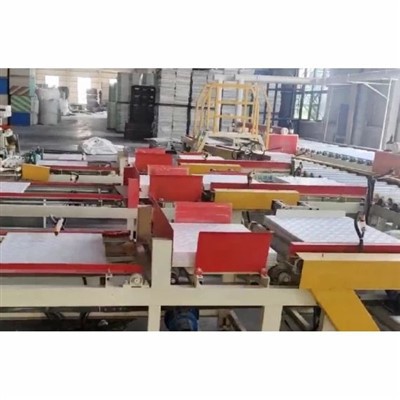

Fiber cement ceiling tiles are widely used in commercial buildings, offices, hospitals, schools, and industrial facilities because of their durability, moisture resistance, and dimensional stability. As demand for reliable ceiling materials continues to grow, investing in an efficient Fiber Cement Ceiling Tile Production Line has become an important consideration for manufacturers.
1. What Is a Fiber Cement Ceiling Tile Production Line?
A Fiber Cement Ceiling Tile Production Line is a manufacturing system designed to produce fiber cement ceiling boards with consistent dimensions, surface quality, and mechanical strength. Depending on the production process and factory requirements, the line may include raw material feeding, mixing, forming, pressing, cutting, curing, drying, sanding, and finishing equipment.
The configuration of the production line depends on the required board thickness, dimensions, surface design, production capacity, and level of automation.
2. Key Factors When Selecting Production Equipment
Production Capacity
Manufacturers should evaluate their target daily output and expected market demand before choosing equipment. A properly configured production line can help improve production efficiency and maintain a stable supply of finished ceiling tiles.
Automation Level
Automated feeding, forming, cutting, and material handling systems can reduce manual operations and improve production consistency. The appropriate automation level depends on investment budgets, labor availability, and factory operating conditions.
Product Quality
Accurate cutting, stable forming pressure, and controlled curing conditions are essential for producing boards with consistent thickness, smooth surfaces, and reliable dimensions. Equipment selection should match the technical requirements of the final product.
Factory Layout
Available workshop space, material flow, electrical systems, and curing or drying areas should all be considered during production line planning. A well-designed layout helps reduce unnecessary material handling and supports smoother production operations.
3. Why Is Production Line Configuration Important?
Different manufacturers have different requirements for board sizes, product specifications, and output targets. Selecting suitable equipment for each production stage helps improve coordination between processes and reduce bottlenecks.
A customized Fiber Cement Ceiling Tile Production Line can be designed according to the manufacturer's product range, factory conditions, and production objectives. Before purchasing equipment, manufacturers should also evaluate installation requirements, maintenance accessibility, spare parts availability, and technical support.
4. How to Improve Production Efficiency
Regular equipment maintenance, standardized operating procedures, and appropriate process parameter control are important for stable production. Monitoring raw material consistency and finished board quality can also help reduce defects and material waste.
In addition, integrating suitable automation and material handling equipment can improve workflow efficiency and make production management easier as manufacturing volumes increase.
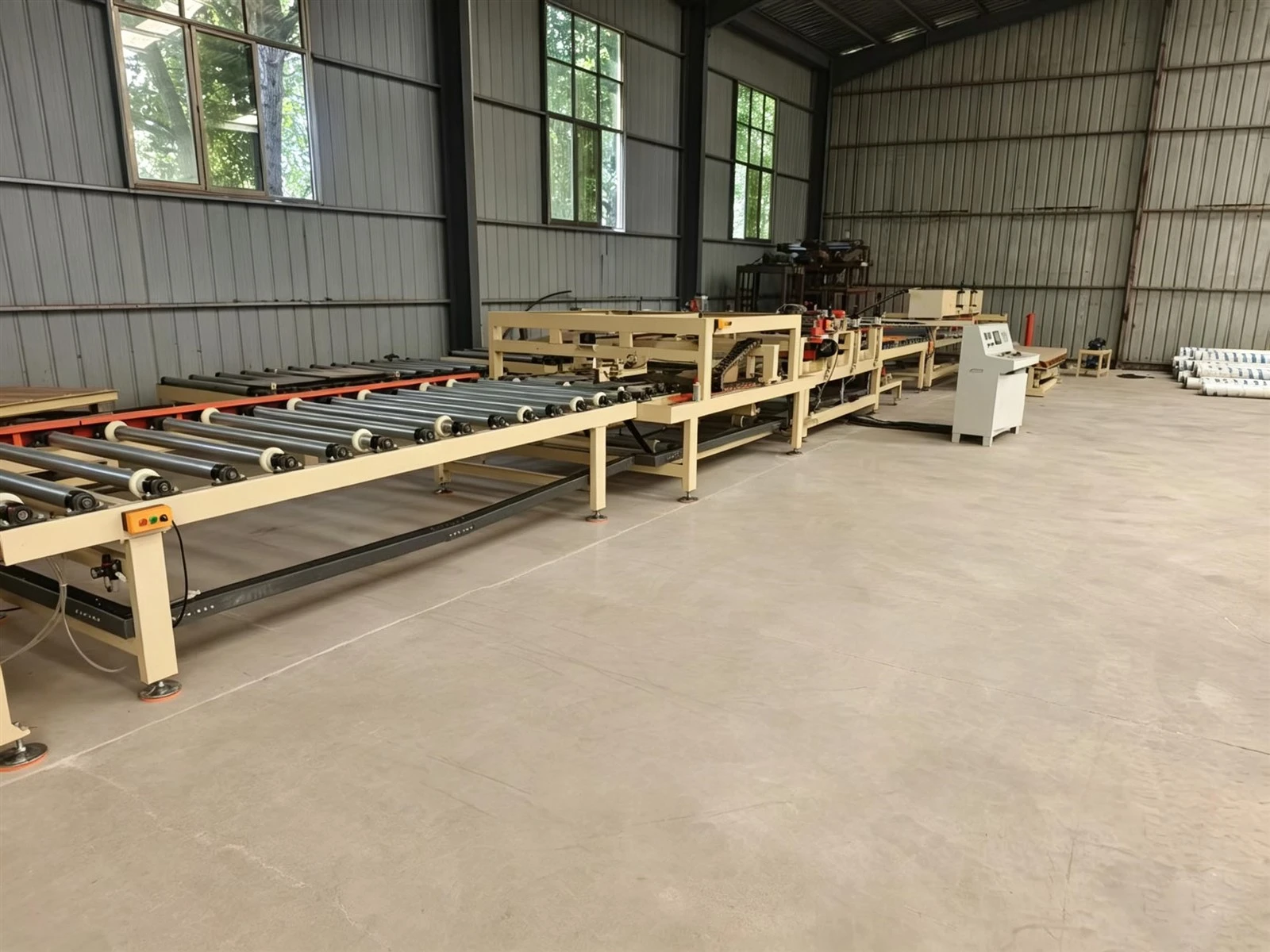
Choosing the right Fiber Cement Ceiling Tile Production Line requires a clear understanding of product specifications, production capacity, automation requirements, and factory conditions. Careful planning helps manufacturers establish a reliable production process and build a solid foundation for long-term business development.
For manufacturers planning to establish a new factory or upgrade existing equipment, working with an experienced production line supplier can help ensure that the equipment configuration meets actual manufacturing needs.