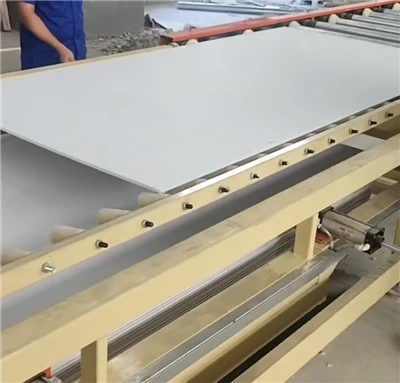

Gypsum itself has a microporous structure that can regulate air humidity, but ordinary gypsum easily turns to powder when exposed to water. Water-resistant gypsum, by adding hydrophobic components (such as organosilicon), forms a waterproof network inside, making it difficult for water to penetrate. Experiments show that high-quality water-resistant gypsum can maintain its surface integrity after soaking for 24 hours, with a water absorption rate controlled below 5%.
Key Points for Moisture Prevention During Construction:
Substrate Treatment: The wall surface must be thoroughly cleaned. Cracks should be repaired with gypsum-based sealant to prevent moisture from seeping in through the gaps.
Mixing Ratio: Mix according to the instructions. Too thin a mixture will reduce water resistance, while too thick a mixture will affect adhesion.
Drying Control: Maintain ventilation after construction and avoid strong winds that could cause cracking. Complete drying requires 48 hours.
These Scenarios Are More Suitable for Water-Resistant Gypsum:
Leveling walls in the dry area (non-shower area) of the bathroom.
Bedroom walls prone to dampness during the rainy season in southern China.
Basements and other poorly ventilated spaces.