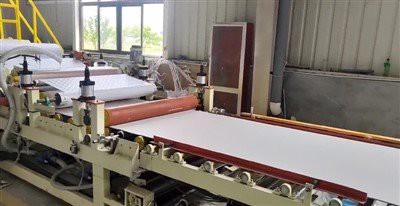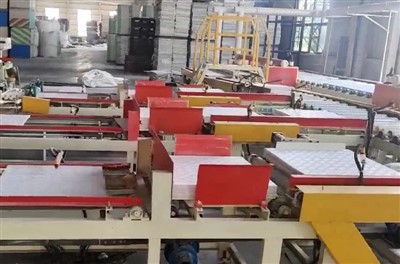

Material properties determine bonding difficulty. Gypsum powder (mainly calcium sulfate) and PVC (polyvinyl chloride) are like two brothers with contrasting personalities: The former is porous and absorbent like a sponge, while the latter is smooth and waterproof like a raincoat. This fundamental difference means that ordinary gypsum mortar cannot penetrate the PVC surface, and it easily peels off in whole pieces after drying. Experiments show that the bonding strength between untreated PVC and gypsum is less than 0.1 MPa, meaning it will separate with a slight pry.
Three solutions to overcome bonding bottlenecks:
Surface roughening treatment: Sand the PVC until it is matte to increase mechanical adhesion.
Intermediate adhesive: Use epoxy resin as a "mediator," apply PVC first, then cover with gypsum.
Modified gypsum formula: Add latex powder (5%-8%) to improve flexibility and adhesion.
Practical DIY tips for home use: Want to repair the gap between PVC drain pipes and gypsum walls? Try this "home remedy": Mix PVC-specific adhesive with gypsum powder in a 1:3 ratio, and squeeze it into the joint like a piping bag. Ensure proper ventilation for 24 hours. The cured mixture will withstand minor vibrations without cracking or falling off. Important reminder: This method is only suitable for non-load-bearing areas; critical structures still require specialized adhesives.