

Can an Automatic PVC Gypsum Ceiling Lamination Machine be used for producing ceiling panels with anti - mold properties?
As a supplier of Automatic PVC Gypsum Ceiling Lamination Machines, I am often asked about the machine's capabilities, especially regarding the production of ceiling panels with specific properties such as anti - mold. In this blog, I will explore whether our Automatic PVC Gypsum Ceiling Lamination Machine can be used to produce ceiling panels with anti - mold properties.
Understanding the Automatic PVC Gypsum Ceiling Lamination Machine
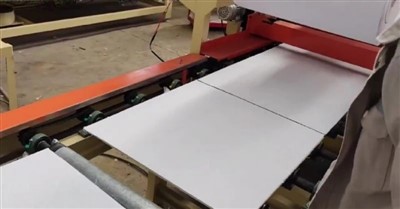
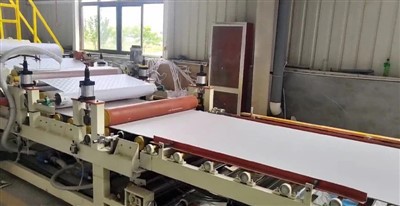
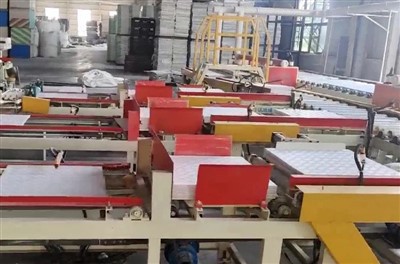
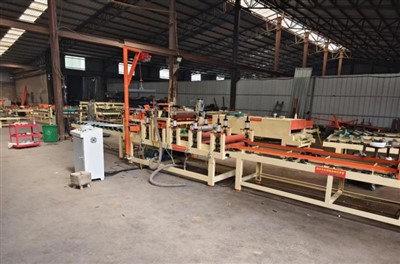
The Automatic PVC Gypsum Ceiling Lamination Machine is a state - of - the - art piece of equipment designed to efficiently laminate PVC films onto gypsum boards. This process not only enhances the aesthetic appeal of the ceiling panels but also provides additional protection to the gypsum core. The machine is equipped with advanced technology that ensures precise lamination, high - speed production, and consistent quality.
The basic working principle of the machine involves feeding the gypsum boards into the lamination unit, where a layer of PVC film is applied under controlled pressure and temperature. The PVC film can be customized in terms of color, pattern, and texture, allowing for a wide range of design options. For more information about our machine, you can visit PVC Coated Gypsum Ceiling Tiles Machine.
Anti - mold Properties in Ceiling Panels
Mold is a common problem in many indoor environments, especially in areas with high humidity. It can cause health issues such as allergies, respiratory problems, and even structural damage to buildings. Therefore, the demand for ceiling panels with anti - mold properties is on the rise.
Anti - mold ceiling panels are typically made by incorporating anti - mold agents into the gypsum core or the PVC film. These agents can inhibit the growth of mold by creating an environment that is unfavorable for mold spores to thrive. Some common anti - mold agents include silver ions, zinc pyrithione, and various organic compounds.
Can the Automatic PVC Gypsum Ceiling Lamination Machine Produce Anti - mold Ceiling Panels?
The answer is yes. Our Automatic PVC Gypsum Ceiling Lamination Machine can be used to produce ceiling panels with anti - mold properties in several ways.
Incorporating Anti - mold Agents into the PVC Film
One approach is to use a PVC film that has been pre - treated with anti - mold agents. The machine can then laminate this film onto the gypsum board. The anti - mold agents in the PVC film will act as a barrier, preventing mold from growing on the surface of the ceiling panel. This method is relatively straightforward and can be easily integrated into the existing production process.
Treating the Gypsum Core
Another option is to treat the gypsum core with anti - mold agents before the lamination process. This can be done by adding the anti - mold agents to the gypsum slurry during the manufacturing of the gypsum boards. The lamination process then provides an additional layer of protection, further enhancing the anti - mold properties of the ceiling panel.
Combining Both Approaches
For maximum effectiveness, a combination of both methods can be used. By treating both the gypsum core and using an anti - mold PVC film, the ceiling panels can offer superior anti - mold protection.
Advantages of Using Our Machine for Anti - mold Ceiling Panel Production
There are several advantages to using our Automatic PVC Gypsum Ceiling Lamination Machine for the production of anti - mold ceiling panels.
High - Quality Lamination
The machine ensures a high - quality lamination process, which is crucial for the performance of the anti - mold properties. A well - laminated PVC film will provide better protection against moisture and mold, as it forms a tight seal around the gypsum core.
Customization
Our machine allows for a high degree of customization. You can choose different types of anti - mold agents, PVC films, and gypsum board formulations to meet the specific requirements of your customers. This flexibility enables you to produce ceiling panels with varying levels of anti - mold protection.


Efficiency
The machine is designed for high - speed production, which means you can produce a large number of anti - mold ceiling panels in a short period. This is especially important for meeting the growing demand in the market.
Other Considerations
While our Automatic PVC Gypsum Ceiling Lamination Machine can be used to produce anti - mold ceiling panels, there are some other factors to consider.
Testing and Certification
It is important to ensure that the anti - mold ceiling panels meet the relevant industry standards and certifications. This may involve conducting tests to verify the effectiveness of the anti - mold agents and the overall performance of the ceiling panels.
Cost
The cost of producing anti - mold ceiling panels may be higher than that of regular ceiling panels due to the additional cost of anti - mold agents and the testing process. However, the long - term benefits of using anti - mold ceiling panels, such as reduced maintenance costs and improved indoor air quality, may outweigh the initial investment.
Conclusion
In conclusion, our Automatic PVC Gypsum Ceiling Lamination Machine can be effectively used for producing ceiling panels with anti - mold properties. By incorporating anti - mold agents into the PVC film or the gypsum core, or both, you can create high - quality ceiling panels that offer superior protection against mold.
If you are interested in purchasing our Automatic PVC Gypsum Ceiling Lamination Machine or learning more about our Flame - Retardant PVC Laminated Gypsum Board Production Line or PVC Gypsum Ceiling Machine, please feel free to contact us for further details and to discuss your specific requirements. We look forward to the opportunity to work with you and help you meet the growing demand for high - quality anti - mold ceiling panels in the market.
References
- ASTM International. (20XX). Standard test methods for evaluating the resistance of building materials to mold growth.
- Building Research Establishment. (20XX). Guide to mold prevention in buildings.