

Hey there! As a supplier of the Plasterboard PVC Gypsum Lamination Line, I get asked a lot about whether this line can be integrated with other production equipment. Well, let's dive right into it and find out!
Understanding the Plasterboard PVC Gypsum Lamination Line
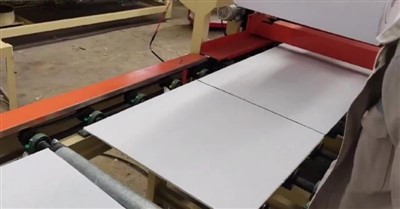
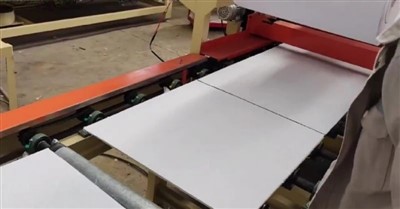
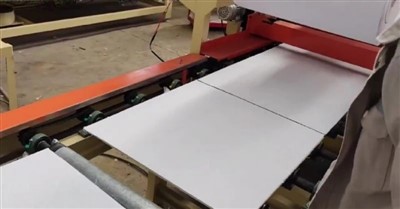
First off, let me give you a quick rundown on what the Plasterboard PVC Gypsum Lamination Line does. It's a key piece of equipment in the production of plasterboard with a PVC gypsum lamination. This line takes care of processes like applying the PVC layer onto the gypsum board, ensuring a smooth and durable finish.
The line typically consists of several components, including unwinding units for the PVC film, laminating stations, and cutting systems. These components work together to create high - quality plasterboard products. For instance, the Fully Automatic PVC Lamination Gypsum Machine is a part of this line that automates the lamination process, making it more efficient and consistent.
Integration Possibilities
Now, the big question: Can it be integrated with other production equipment? The answer is a resounding yes! There are several ways in which the Plasterboard PVC Gypsum Lamination Line can be integrated with other machinery in a production setup.
Upstream Equipment
One of the areas where integration can happen is with upstream equipment. For example, it can be integrated with gypsum board manufacturing machines. These machines produce the base gypsum board, and the lamination line can take these boards directly for the PVC lamination process. By integrating with gypsum board production machines, the entire production process becomes more streamlined. There's no need for manual handling of the boards between the two processes, which reduces the risk of damage and speeds up production.
Another upstream integration possibility is with raw material handling equipment. This includes conveyors and storage systems for gypsum and PVC materials. By connecting the lamination line to these systems, the flow of raw materials can be optimized. For instance, the conveyors can be programmed to deliver the right amount of gypsum and PVC film to the lamination line at the right time, ensuring a continuous and efficient production process.
Downstream Equipment
On the downstream side, the Plasterboard PVC Gypsum Lamination Line can be integrated with cutting and packaging equipment. Once the lamination process is complete, the boards need to be cut to the right size and packaged for shipping. By integrating the lamination line with cutting machines, the boards can be cut immediately after lamination, reducing production time.


The Vinyl - Faced Gypsum Lay - in Ceiling Production Line is a great example of downstream integration. This line can take the laminated plasterboards and further process them into lay - in ceiling products. The integration allows for a seamless transition from lamination to the final product, increasing overall productivity.
Quality Control Equipment
Integration with quality control equipment is also crucial. This can include sensors and inspection machines that check the quality of the laminated plasterboards. By integrating these machines with the lamination line, any defects can be detected early in the production process. For example, sensors can detect air bubbles or uneven lamination, and the line can be adjusted accordingly. This helps in maintaining high - quality standards and reducing waste.
Benefits of Integration
Integrating the Plasterboard PVC Gypsum Lamination Line with other production equipment brings several benefits.
Increased Efficiency
One of the most significant benefits is increased efficiency. When the lamination line is integrated with other equipment, the production process becomes more continuous. There are fewer stops and starts, and the flow of materials is optimized. This means that more products can be produced in less time, which ultimately leads to higher profits.
Improved Quality
Integration also improves the quality of the final products. By integrating with quality control equipment, any issues can be identified and corrected immediately. This ensures that the laminated plasterboards meet the required standards. Additionally, the seamless integration between different processes reduces the risk of damage to the boards, resulting in a higher - quality end product.
Cost Savings
Cost savings are another advantage of integration. By reducing the need for manual handling and streamlining the production process, labor costs can be significantly reduced. Additionally, the optimized use of raw materials and energy can lead to cost savings in the long run. For example, the integration with raw material handling equipment ensures that the right amount of materials is used, reducing waste.
Challenges of Integration
While there are many benefits to integrating the Plasterboard PVC Gypsum Lamination Line with other production equipment, there are also some challenges.
Compatibility Issues
One of the main challenges is compatibility. Different pieces of equipment may have different operating systems, communication protocols, and physical dimensions. Ensuring that all the equipment can work together seamlessly requires careful planning and coordination. For example, the lamination line may need to be modified to fit with the cutting machine, or the software of the two machines may need to be integrated.
Technical Expertise
Integrating the equipment also requires technical expertise. You need to have a team of engineers and technicians who understand the different pieces of equipment and how they can be integrated. This can be a challenge, especially for smaller companies that may not have the resources to hire such a team.
Initial Investment
There is also an initial investment required for integration. This includes the cost of modifying the equipment, purchasing additional components, and hiring technical experts. However, it's important to note that the long - term benefits of integration, such as increased efficiency and cost savings, often outweigh the initial investment.
Overcoming the Challenges
To overcome the challenges of integration, it's important to work with experienced suppliers and partners. As a supplier of the Plasterboard PVC Gypsum Lamination Line, we have the expertise and experience to help you integrate our line with other production equipment. We can provide technical support, advice on compatibility, and assistance with the installation process.
For example, we can work with you to ensure that the Ceiling PVC Laminated Gypsum Tile Machinery can be integrated seamlessly with the lamination line. Our team of engineers can analyze the requirements of your production setup and come up with a customized integration solution.
Conclusion
In conclusion, the Plasterboard PVC Gypsum Lamination Line can definitely be integrated with other production equipment. It offers many benefits, such as increased efficiency, improved quality, and cost savings. While there are some challenges, these can be overcome with the right approach and support.
If you're interested in learning more about how our Plasterboard PVC Gypsum Lamination Line can be integrated with your existing production equipment, or if you're looking to set up a new production line, don't hesitate to get in touch. We're here to help you take your production to the next level.
References
- Industry reports on plasterboard production and equipment integration
- Technical manuals of the Plasterboard PVC Gypsum Lamination Line and related production equipment