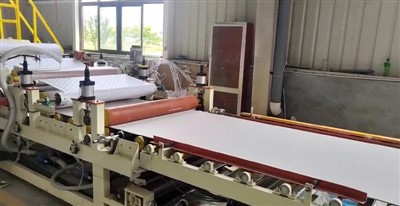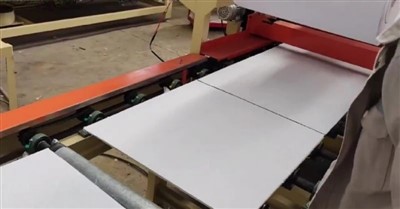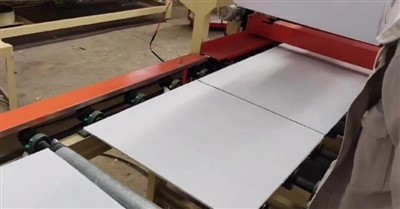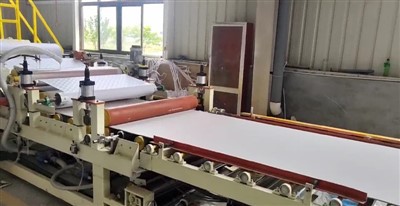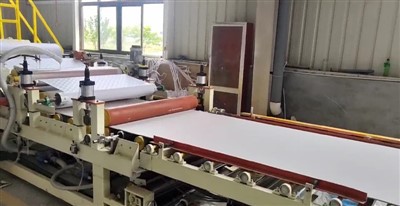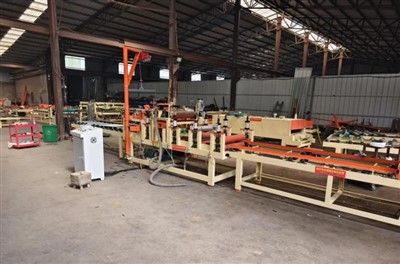


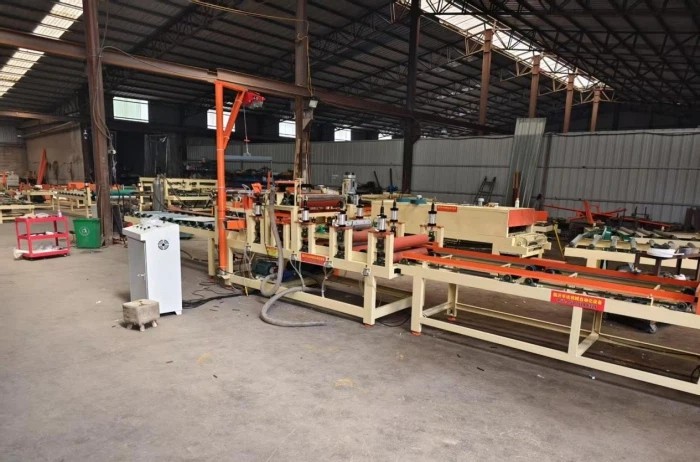
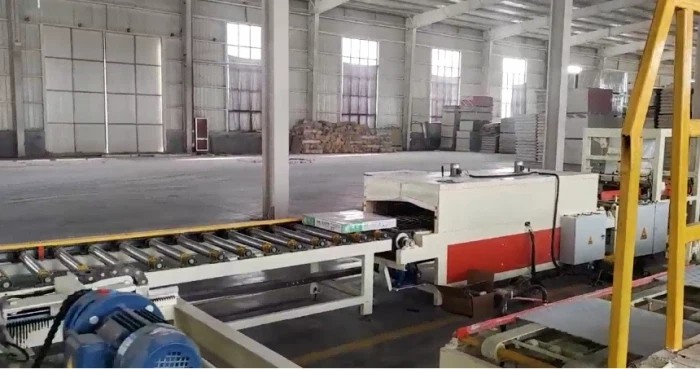
In today's digital age, network security has become a critical concern for every industry, including the PVC gypsum board production line sector. As a supplier of PVC gypsum board production lines, I understand the importance of safeguarding our production systems from potential cyber threats. In this blog post, I will share some effective strategies to ensure the network security of a PVC gypsum board production line.
Understanding the Risks
Before we delve into the solutions, it's essential to understand the potential risks that a PVC gypsum board production line may face. These risks can range from malware attacks and data breaches to unauthorized access and system failures. Malware, such as viruses, worms, and ransomware, can infect the production line's network, causing disruptions in the manufacturing process, stealing sensitive data, or even holding the system hostage. Data breaches can lead to the leakage of valuable information, including production plans, customer data, and trade secrets. Unauthorized access to the production line's network can allow hackers to manipulate the system, change production parameters, or cause damage to the equipment. System failures, whether due to hardware issues or software glitches, can also result in significant downtime and financial losses.
Implementing a Comprehensive Security Strategy
To ensure the network security of a PVC gypsum board production line, a comprehensive security strategy is required. This strategy should include the following elements:
1. Network Segmentation
Network segmentation is the process of dividing a network into smaller, isolated segments. By segmenting the network, you can limit the spread of malware and unauthorized access. For example, you can separate the production line's network from the corporate network, creating a secure zone for the manufacturing process. This can be achieved using firewalls, virtual local area networks (VLANs), and other network security devices.
2. Access Control
Access control is the practice of restricting access to the production line's network to authorized personnel only. This can be achieved through the use of user authentication, such as passwords, biometric authentication, and smart cards. You should also implement role-based access control (RBAC), which assigns specific permissions to users based on their job roles. This ensures that users only have access to the information and resources that are necessary for their work.
3. Data Encryption
Data encryption is the process of converting data into a coded form to protect it from unauthorized access. By encrypting sensitive data, such as production plans, customer data, and trade secrets, you can ensure that it remains secure even if it is intercepted. There are several encryption algorithms available, such as Advanced Encryption Standard (AES), which is widely used for securing data.
4. Regular Software Updates
Software updates are essential for maintaining the security of the production line's network. Software vendors regularly release updates to fix security vulnerabilities and improve the performance of their products. By keeping your software up to date, you can protect your network from the latest threats. You should also ensure that all software on the production line is from trusted sources and that it is installed and configured correctly.
5. Employee Training
Employee training is crucial for ensuring the network security of a PVC gypsum board production line. Employees should be educated about the importance of network security, how to identify and avoid potential threats, and what to do in case of a security incident. You should also provide regular training sessions to keep employees up to date with the latest security best practices.
Utilizing Advanced Security Technologies
In addition to implementing a comprehensive security strategy, you can also utilize advanced security technologies to enhance the network security of your PVC gypsum board production line. Some of these technologies include:
1. Intrusion Detection and Prevention Systems (IDPS)
IDPS are security devices that monitor the network for suspicious activity and take action to prevent or mitigate potential threats. They can detect and block unauthorized access, malware attacks, and other security breaches. IDPS can be deployed at the network perimeter, as well as on individual devices, to provide comprehensive protection.
2. Security Information and Event Management (SIEM) Systems
SIEM systems collect and analyze security data from various sources, such as network devices, servers, and applications. They can detect and alert you to potential security incidents in real-time, allowing you to take immediate action. SIEM systems can also provide valuable insights into the security posture of your network, helping you to identify and address potential vulnerabilities.
3. Firewalls
Firewalls are security devices that control the flow of traffic between different networks. They can block unauthorized access to the production line's network and prevent malware from spreading. Firewalls can be configured to allow only specific types of traffic, such as HTTP, HTTPS, and FTP, and to block all other traffic.
4. Antivirus and Anti-Malware Software
Antivirus and anti-malware software are essential for protecting the production line's network from malware attacks. They can detect and remove viruses, worms, and other types of malware from the system. You should ensure that all devices on the production line are equipped with up-to-date antivirus and anti-malware software.
Conclusion
Ensuring the network security of a PVC gypsum board production line is a complex and ongoing process. By implementing a comprehensive security strategy, utilizing advanced security technologies, and providing employee training, you can protect your production line from potential cyber threats. As a supplier of PVC gypsum board production lines, we are committed to providing our customers with the highest level of network security. If you are interested in learning more about our products and services, please visit our website at PVC Gypsum Ceiling Production Line with PLC Control, Full Automatic PVC Gypsum Ceiling Tiles Line, or Fully Automatic PVC Lamination Gypsum Machine. We look forward to working with you to ensure the network security of your PVC gypsum board production line.
References
- Anderson, R. (2008). Security Engineering: A Guide to Building Dependable Distributed Systems. Wiley.
- Stallings, W. (2018). Network Security Essentials: Applications and Standards. Pearson.
- Whitman, M. E., & Mattord, H. J. (2017). Principles of Information Security. Cengage Learning.