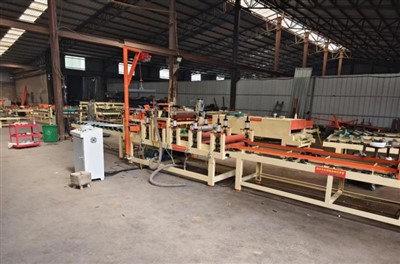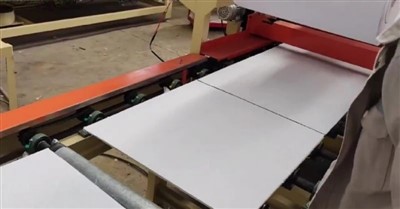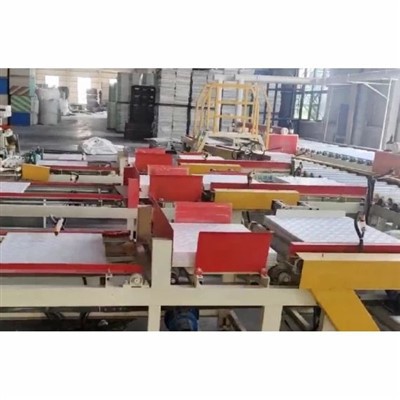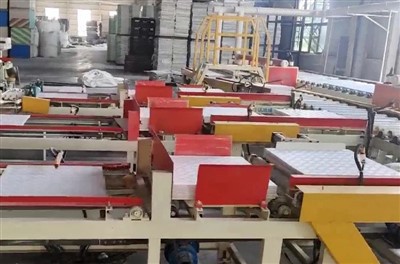


Hey there! As a supplier of the Plasterboard PVC Gypsum Lamination Line, I get asked a lot about how to ensure its safety in a workshop environment. Well, it's not rocket science, but it does require a bit of know - how and attention to detail. So, let's dive right in!
1. Pre - operation Checks
Before you even think about firing up that Plasterboard PVC Gypsum Lamination Line, there are some crucial pre - checks you need to do. First off, take a good look at all the components of the machine. Check for any signs of wear and tear, like frayed wires, loose bolts, or damaged belts. If you spot any issues, don't just ignore them; replace or repair the parts right away.
For instance, the conveyor belts play a vital role in moving the plasterboard through the lamination process. A worn - out belt can not only disrupt the production but also pose a safety hazard. Make sure the tension of the belts is correct. You can use a tension gauge to check this. If it's too loose, the belt might slip, and if it's too tight, it could cause excessive stress on the motor and other components.
Another important pre - check is the electrical system. Inspect all the electrical connections to ensure they are secure and there are no exposed wires. Faulty electrical connections can lead to short - circuits, electric shocks, or even fires. You might want to consider having a professional electrician conduct periodic inspections, especially if you're not entirely confident with electrical work.
2. Operator Training
One of the most important aspects of ensuring safety is having well - trained operators. Your operators should know exactly how to use the Plasterboard PVC Gypsum Lamination Line. They should be familiar with all the controls, emergency stop buttons, and safety features of the machine.
Offer comprehensive training programs for new operators. These programs should cover everything from basic operation to more complex maintenance procedures. Include hands - on training sessions so that operators can get a feel for the machine in a controlled environment.
For example, show them how to load the plasterboard and PVC film correctly onto the machine. Incorrect loading can cause jams, which not only stop the production but can also be dangerous if the operator tries to clear the jam without following the proper procedures.
Also, teach operators about the safety protocols in case of an emergency. They should know exactly where the emergency stop buttons are located and how to use them. Remind them to always wear appropriate personal protective equipment (PPE), such as safety glasses, gloves, and ear protection.


3. Machine Maintenance
Regular maintenance is key to keeping your Plasterboard PVC Gypsum Lamination Line running safely and efficiently. Create a maintenance schedule and stick to it. This schedule should include daily, weekly, monthly, and annual maintenance tasks.
Daily maintenance tasks could include cleaning the machine, checking the lubrication levels of moving parts, and inspecting the cutting tools for sharpness. If the cutting tools are dull, it can cause the machine to work harder, increasing the risk of overheating and mechanical failures.
Weekly maintenance might involve checking the alignment of the rollers and belts. Misaligned rollers can cause uneven lamination and put extra stress on the machine. You can use alignment tools to ensure everything is in place.
Monthly maintenance could include more in - depth inspections, such as checking the hydraulic systems (if applicable) for leaks and proper pressure. And on an annual basis, have a thorough inspection done by a professional technician. They can identify potential problems before they turn into major issues.
4. Safety Features and Guards
Your Plasterboard PVC Gypsum Lamination Line should be equipped with all the necessary safety features and guards. These are designed to protect operators from moving parts, sharp edges, and other potential hazards.
Make sure all safety guards are in place and in good condition. Don't remove or bypass any guards, even if you think it will make the operation a bit easier. For example, the guard around the cutting area is there to prevent operators from accidentally getting their fingers caught in the blades.
Some modern Plasterboard PVC Gypsum Lamination Lines come with advanced safety features like sensors. These sensors can detect if an operator's hand or body part is too close to a dangerous area and automatically stop the machine. Ensure that these sensors are properly calibrated and functioning correctly.
5. Workspace Organization
The organization of the workshop space also plays a role in the safety of the Plasterboard PVC Gypsum Lamination Line. Keep the area around the machine clean and clutter - free. If there are tools, materials, or debris lying around, it can increase the risk of accidents. People might trip over them or knock them into the machine.
Designate specific areas for storing raw materials, finished products, and tools. Make sure the walkways are clear and well - lit. Good lighting not only helps operators see what they're doing but also reduces the chances of slips, trips, and falls.
Also, consider having a first - aid kit readily available in the workshop. Accidents can happen, even with all the safety measures in place, and having a first - aid kit nearby can make a big difference in case of an injury.
6. Hazard Identification and Risk Assessment
Regularly conduct hazard identification and risk assessment in the workshop. Look for potential hazards associated with the Plasterboard PVC Gypsum Lamination Line, such as noise, dust, and chemical exposure (if any chemicals are used in the process).
For dust, install proper ventilation systems to keep the air clean. Inhaling dust from plasterboard and PVC can cause respiratory problems over time. You can also provide operators with dust masks to protect them.
Noise is another common hazard. If the machine is noisy, consider using sound - absorbing materials in the workshop or providing operators with earplugs.
Once you've identified the hazards, assess the risks associated with them. Determine the likelihood of an accident occurring and the potential severity of the consequences. Based on this assessment, take appropriate measures to reduce the risks.
7. Emergency Response Plan
Have a well - defined emergency response plan in place. This plan should outline the steps to be taken in case of different types of emergencies, such as fires, machine breakdowns, or injuries.
Make sure all operators are familiar with the emergency response plan. Conduct regular drills so that they know what to do in a real - life situation. For example, in case of a fire, operators should know how to use the fire extinguishers and where the emergency exits are located.
Our Product Offerings
As a supplier, we offer a range of high - quality Plasterboard PVC Gypsum Lamination Lines. Check out our High Cost - Performance & Compact Line, which is perfect for small to medium - sized workshops. It's not only cost - effective but also takes up less space.
If you're looking for a Machine for PVC Gypsum Ceiling Tiles, we've got you covered. Our machines can produce high - quality ceiling tiles with precision.
We also have the Multi - Functional 2x2 PVC Gypsum Board Lamination And Cutting Machine. This machine combines lamination and cutting functions, saving you time and money.
The Automatic PVC Film Laminating Gypsum Machine offers automatic operation, reducing the need for manual labor and increasing efficiency.
And for those who need a complete solution, our PVC Gypsum Or Cement Ceiling Tile Production Line is a great option. It can handle the entire production process from start to finish.
Contact Us for Procurement
If you're interested in our Plasterboard PVC Gypsum Lamination Lines or want to learn more about ensuring their safety in your workshop, don't hesitate to reach out. We're here to help you make the right choice and ensure a safe and efficient production process. Contact us today to start the procurement and negotiation process.
References
- General safety guidelines for industrial machinery.
- Manufacturer's manuals for Plasterboard PVC Gypsum Lamination Lines.
- Occupational Safety and Health Administration (OSHA) standards related to workshop safety.