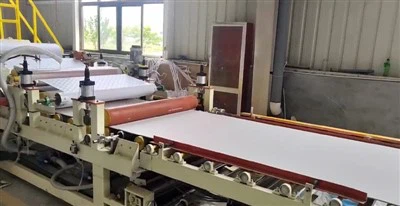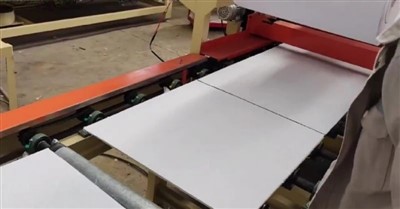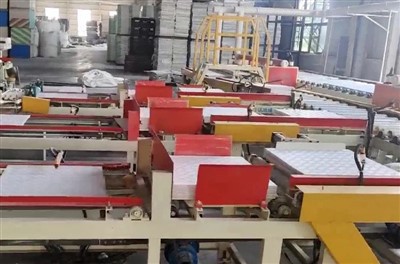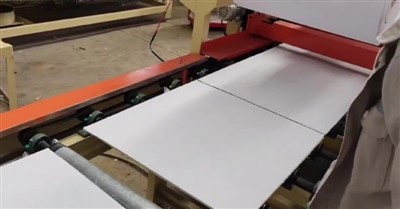


As a supplier of the Full Automatic PVC Gypsum Ceiling Tiles Line, I understand the importance of achieving a high - quality surface finish for ceiling tiles. A smooth and attractive surface not only enhances the aesthetic appeal of the ceiling but also reflects the overall quality of the product. In this blog, I will share some effective ways to improve the surface finish of the ceiling tiles produced by our Full Automatic PVC Gypsum Ceiling Tiles Line.
1. Raw Material Selection
The quality of raw materials is the foundation for producing ceiling tiles with a good surface finish. For PVC gypsum ceiling tiles, the PVC resin and gypsum powder are the two main raw materials.
- PVC Resin: Choose high - grade PVC resin with a uniform molecular weight distribution. Low - quality PVC resin may contain impurities or have inconsistent molecular chains, which can lead to surface defects such as roughness or streaks on the ceiling tiles. High - quality PVC resin can ensure a more homogeneous mixture with gypsum powder, resulting in a smoother surface during the production process.
- Gypsum Powder: The fineness and purity of gypsum powder are crucial. Finer gypsum powder can fill the gaps in the PVC matrix more effectively, reducing the porosity of the ceiling tiles and improving the surface smoothness. Additionally, high - purity gypsum powder is less likely to cause discoloration or surface irregularities.
2. Mixing Process Optimization
The mixing process of PVC resin and gypsum powder is a key step in determining the surface finish of the ceiling tiles.
- Uniform Mixing: Ensure that the PVC resin and gypsum powder are thoroughly mixed. In our Automatic PVC Gypsum Ceiling Tiles Manufacturing Machine, we use advanced mixing technology to achieve a homogeneous mixture. Uneven mixing can lead to areas with different compositions, resulting in surface variations such as spots or uneven gloss.
- Additives: Appropriate additives can be used during the mixing process to improve the surface properties. For example, lubricants can reduce the friction between the materials and the mold, making it easier to release the ceiling tiles and resulting in a smoother surface. Anti - static agents can prevent dust from adhering to the surface during production, maintaining a clean and smooth finish.
3. Molding and Extrusion
The molding and extrusion process directly affects the surface quality of the ceiling tiles.
- Mold Design: A well - designed mold is essential for achieving a good surface finish. The mold should have a smooth inner surface to transfer the smoothness to the ceiling tiles. Regularly clean and polish the mold to remove any residues or scratches that could be transferred to the tiles. Our PVC Gypsum Ceiling Machine is equipped with high - precision molds that are designed to produce ceiling tiles with a consistent and smooth surface.
- Extrusion Parameters: Control the extrusion temperature, pressure, and speed carefully. Incorrect extrusion parameters can cause problems such as uneven thickness, warping, or surface blisters. For example, if the extrusion temperature is too high, the PVC may degrade, leading to a rough and discolored surface. By optimizing these parameters, we can ensure that the ceiling tiles have a uniform and smooth surface.
4. Post - Processing
After the ceiling tiles are formed, post - processing steps can further improve the surface finish.
- Sanding: Sanding the surface of the ceiling tiles can remove any minor irregularities or burrs. Use fine - grit sandpaper to achieve a smooth and even surface. This process can also enhance the surface gloss, making the tiles more visually appealing.
- Coating: Applying a coating to the surface of the ceiling tiles can provide additional protection and improve the surface appearance. A clear coating can enhance the gloss and make the surface easier to clean. There are various types of coatings available, such as acrylic coatings or polyurethane coatings. Choose a coating that is compatible with the PVC gypsum material and can provide long - lasting protection.
5. Quality Control
Implement a strict quality control system throughout the production process to ensure that the surface finish of the ceiling tiles meets the required standards.
- Inspection: Regularly inspect the ceiling tiles during production. Use visual inspection methods to detect any surface defects such as scratches, cracks, or unevenness. Additionally, use measuring tools to check the thickness and flatness of the tiles. Our Full Automatic PVC Laminated Gypsum Ceiling Tile Making Machine Production Line is equipped with inspection devices that can detect surface defects in real - time, allowing for immediate corrective actions.
- Feedback and Improvement: Analyze the inspection results and provide feedback to the production team. Continuously improve the production process based on the feedback to reduce the occurrence of surface defects and improve the overall surface finish of the ceiling tiles.
6. Machine Maintenance
Proper maintenance of the Full Automatic PVC Gypsum Ceiling Tiles Line is crucial for ensuring consistent surface quality.
- Regular Cleaning: Clean the machine regularly to remove any dust, debris, or residues that may affect the surface finish of the ceiling tiles. Pay special attention to the mold, extrusion head, and other parts that come into contact with the materials.
- Lubrication: Lubricate the moving parts of the machine according to the manufacturer's recommendations. Proper lubrication can reduce friction and wear, ensuring smooth operation and preventing surface defects caused by mechanical problems.
- Component Replacement: Replace worn - out components in a timely manner. For example, if the screw in the extrusion machine is worn, it may not be able to convey the materials evenly, leading to surface irregularities. Our Maximize Your Pvc Gypsum Ceiling Tiles Machine provides detailed maintenance guidelines to help our customers keep their machines in good condition.
7. Staff Training
Well - trained staff can play a significant role in improving the surface finish of the ceiling tiles.
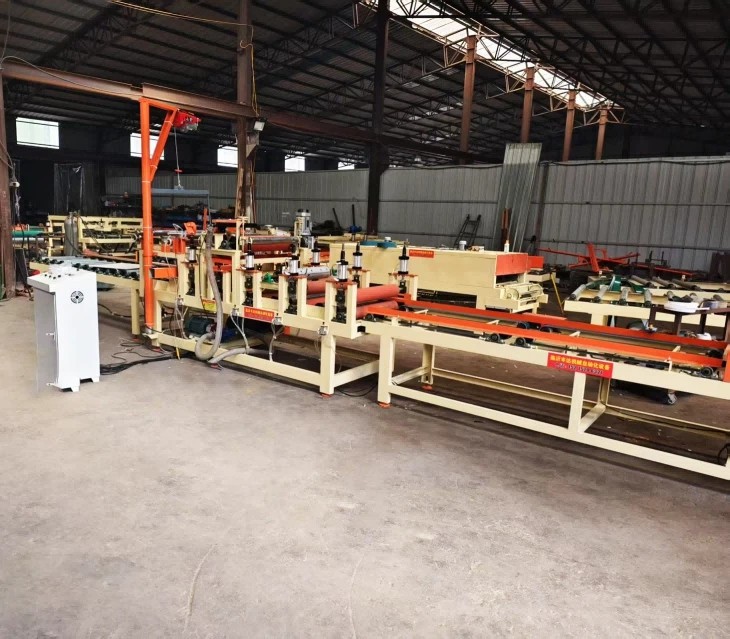
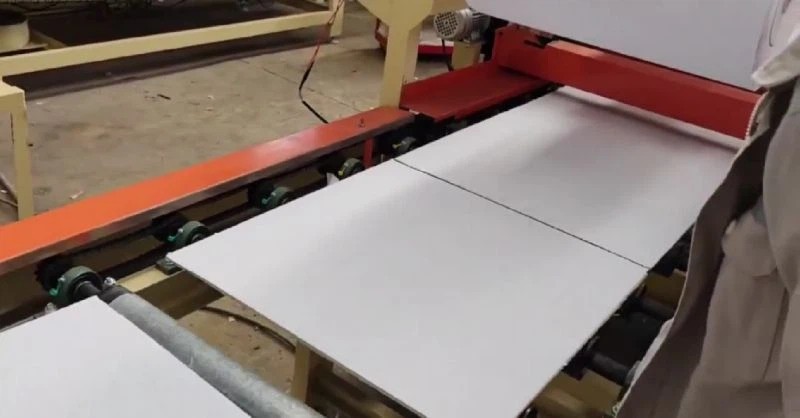
- Operation Training: Provide comprehensive training to the operators on how to operate the Full Automatic PVC Gypsum Ceiling Tiles Line correctly. Train them to set the appropriate parameters, monitor the production process, and troubleshoot common problems.
- Quality Awareness Training: Raise the quality awareness of the staff. Make them understand the importance of surface finish and how their actions can affect the final product quality. Encourage them to take pride in their work and strive for excellence.
In conclusion, improving the surface finish of the ceiling tiles produced by the Full Automatic PVC Gypsum Ceiling Tiles Line requires a comprehensive approach that includes raw material selection, mixing process optimization, molding and extrusion control, post - processing, quality control, machine maintenance, and staff training. By implementing these measures, we can produce ceiling tiles with a high - quality surface finish that meets the needs of our customers.
If you are interested in our High - Efficiency Fully Automatic PVC Gypsum Ceiling Tiles Production Line or have any questions about improving the surface finish of ceiling tiles, please feel free to contact us for procurement and negotiation. We are committed to providing you with the best products and services.
References
- "Plastics Processing Technology" by John A. Brydson
- "Gypsum and its Applications" by John W. Mitchell