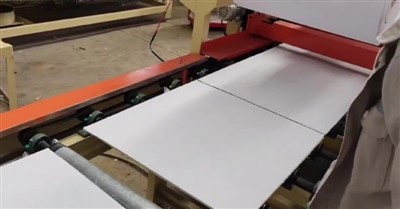


How to Deal with Air Bubbles Under the Vinyl Face of Gypsum Ceiling Equipment during Installation
As a supplier of Vinyl-faced Gypsum Ceiling Equipment, I've encountered numerous inquiries about the pesky issue of air bubbles forming under the vinyl face during installation. This problem not only affects the aesthetic appeal of the ceiling but can also potentially compromise the long - term durability of the installation. In this blog post, I'll share some effective strategies to deal with air bubbles and ensure a smooth, professional - looking ceiling installation.
Understanding the Causes of Air Bubbles
Before we delve into solutions, it's essential to understand why air bubbles occur in the first place. There are several factors contributing to this problem:
- Improper Surface Preparation: If the gypsum board surface is not clean, dry, or smooth enough, air can get trapped between the vinyl face and the board during installation. Dust, debris, or unevenness on the board can create pockets where air accumulates.
- Incorrect Installation Technique: Rushing through the installation process, applying the vinyl face too quickly, or using improper tools can lead to air being trapped. For instance, if the vinyl is not properly aligned and smoothed out as it is being applied, air can be pushed under the surface.
- Temperature and Humidity: Extreme temperature and humidity conditions can affect the installation process. High humidity can make the vinyl more difficult to adhere properly, while very low temperatures can cause the vinyl to become brittle and less flexible, increasing the likelihood of air bubbles.
Preventive Measures
The best way to deal with air bubbles is to prevent them from occurring in the first place. Here are some preventive steps you can take:
- Thorough Surface Preparation:
- Clean the gypsum board surface with a mild detergent and water to remove any dust, dirt, or grease. Rinse it thoroughly and allow it to dry completely.
- Use sandpaper to smooth out any rough spots or imperfections on the board surface. This will provide a better surface for the vinyl to adhere to.
- Proper Vinyl Storage: Store the vinyl - faced material in a cool, dry place before installation. Avoid exposing it to direct sunlight or extreme temperatures, as this can affect its quality and flexibility.
- Use the Right Tools: A vinyl roller or squeegee is essential for a smooth installation. These tools help to evenly distribute pressure and expel air as the vinyl is being applied.
- Optimal Installation Conditions: Try to install the vinyl - faced gypsum ceiling in a temperature - and humidity - controlled environment. Ideal conditions are typically between 20 - 25 degrees Celsius and a relative humidity of 40 - 60%.
Dealing with Air Bubbles During Installation
Despite taking preventive measures, air bubbles may still appear during installation. Here's how you can address them:
- Pinprick Method:
- If you notice small air bubbles, you can use a fine - tipped needle or pin to create a tiny hole in the vinyl directly over the bubble.
- Gently press on the bubble with a vinyl roller or squeegee, starting from the edge of the bubble and working towards the pinhole. This will force the air out through the hole.
- Once the air is removed, smooth the vinyl over the area to seal the pinhole.
- Heat Application: For larger air bubbles, applying heat can sometimes help. Use a hair dryer set on low to medium heat to warm the area with the bubble.
- As the vinyl warms up, it becomes more flexible. Then, use a vinyl roller or squeegee to press the bubble out towards the edge of the vinyl.
- Be careful not to overheat the vinyl, as this can cause it to melt or become damaged.
- Re - positioning and Smoothing: If the air bubble is due to misalignment or improper smoothing, you can carefully lift the vinyl in the affected area and re - position it.
- Start from one edge and slowly smooth the vinyl down again, using a roller or squeegee to expel any trapped air as you go.
Post - Installation Solutions
In some cases, air bubbles may not be noticed until after the installation is complete. Here are some post - installation solutions:
- Professional Repair: If the air bubbles are large or numerous, it may be best to call in a professional installer. They have the experience and tools to safely remove the vinyl, address the underlying issues, and re - install it without creating more bubbles.
- Warranty Claim: If the air bubbles are a result of a manufacturing defect or faulty installation materials, check your warranty. As a supplier of Vinyl - faced Gypsum Ceiling Equipment, we stand by the quality of our products and offer warranty services to ensure your satisfaction.
The Role of Quality Equipment in Bubble - Free Installation
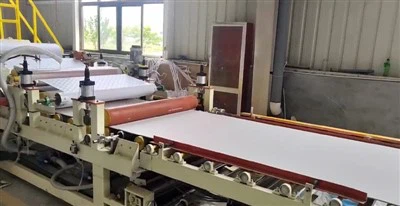
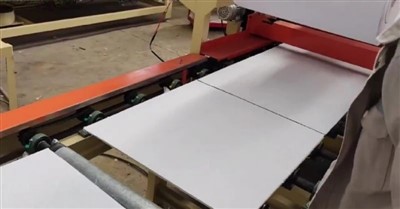
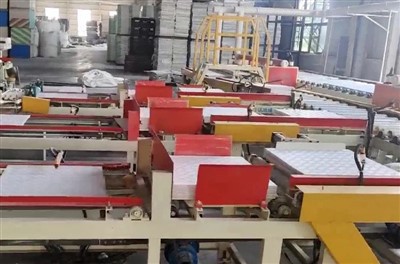
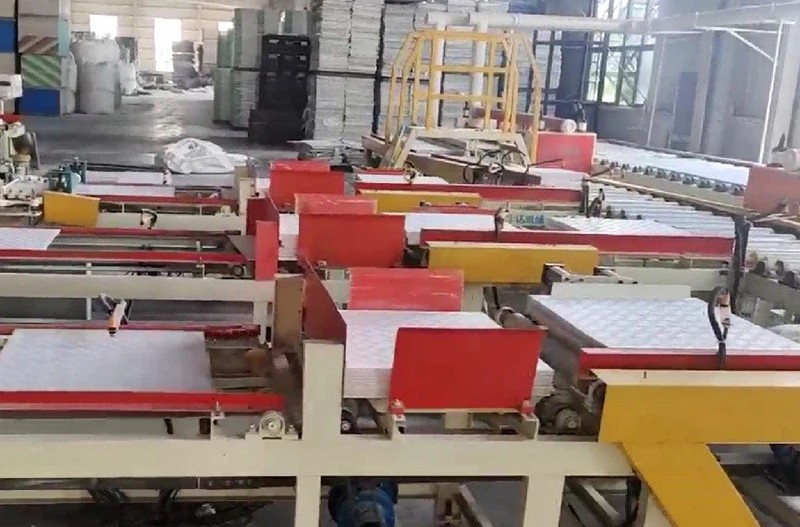
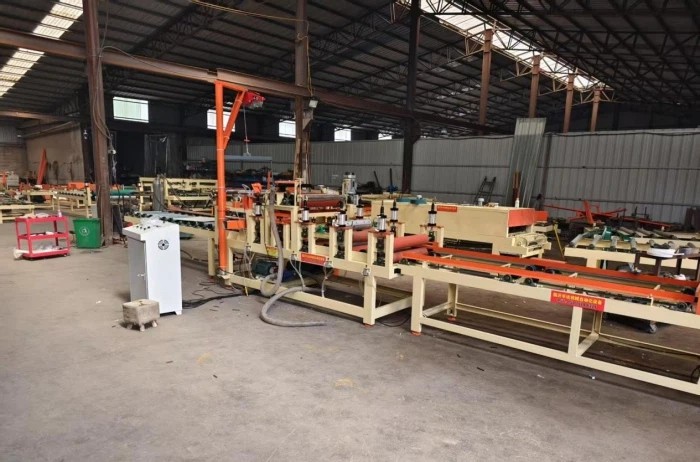
Investing in high - quality Vinyl - faced Gypsum Ceiling Equipment is crucial for a successful installation. Our company offers a range of top - notch products, such as the Full Automatic PVC Gypsum Ceiling Tiles Line, which is designed to produce vinyl - faced gypsum ceiling tiles with precision and efficiency.
The High Efficiency 600x600 PVC Gypsum Ceiling Board Making Machine | Fully Automatic Gypsum Board Tile Cutting And Laminating Plant ensures that the vinyl is applied evenly to the gypsum board, reducing the chances of air bubbles during production and installation. Additionally, our PVC Gypsum Ceiling Tile Machine and PVC Laminated Gypsum Ceiling Board Making Machine are engineered to produce high - quality products that meet the highest industry standards.
Conclusion
Dealing with air bubbles under the vinyl face of gypsum ceiling equipment during installation can be a challenge, but with the right knowledge and techniques, it is entirely manageable. By following the preventive measures, using the appropriate tools, and addressing any bubbles promptly, you can achieve a smooth and professional - looking ceiling installation.
At [our company], we are committed to providing our customers with the best - quality Vinyl - faced Gypsum Ceiling Equipment and support. If you have any questions or are interested in purchasing our products, please don't hesitate to get in touch. We look forward to discussing your project requirements and helping you find the perfect solution for your ceiling installation needs.
References
- "Ceiling Installation Handbook" - Published by the National Ceiling and Interior Systems Contractors Association
- Manufacturer's guidelines for Vinyl - faced Gypsum Ceiling Equipment