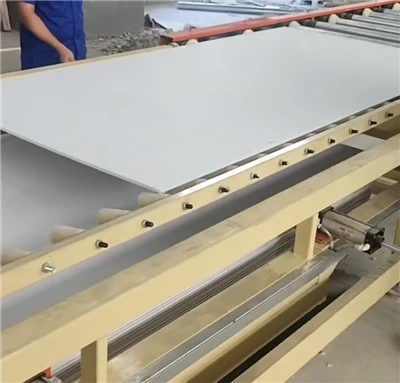

Lightweight Gypsum Material Characteristics
Lightweight gypsum is a new type of building material with advantages such as light weight, high strength, and insulation. It is made primarily from calcined gypsum, with the addition of small amounts of lightweight aggregate and cellulose fibers. Compared to traditional gypsum, lightweight gypsum is not only lighter but also stronger, easier to process and apply, allowing for rapid construction and decoration.
Lightweight Gypsum Moisture Resistance
Lightweight gypsum has some moisture resistance, but it is not completely waterproof. Under normal conditions, lightweight gypsum can effectively prevent moisture penetration and mold growth on walls, making it a good choice for rooms with relatively good moisture resistance. However, in the event of large-area water immersion or prolonged high humidity, lightweight gypsum is still susceptible to cracking and splitting due to the damp environment.
Precautions for Lightweight Gypsum Plaster Decoration
When using lightweight gypsum plaster for decoration, please pay attention to the following points:
Lightweight gypsum plaster itself does not have complete waterproof and moisture-proof properties. Therefore, moisture-proof measures must be taken during construction, such as using waterproof coatings and adhesives.
When applying lightweight gypsum plaster, it is important to control the ratio of cement mortar to water to avoid excessive moisture that could cause the material to crack.
When applying lightweight gypsum plaster, ensure the surface is smooth to avoid unevenness that could affect the aesthetics.
Lightweight gypsum plaster contains a certain proportion of cellulose. During application, avoid contact with eyes, mouth, nose, and other sensitive areas to prevent harm.