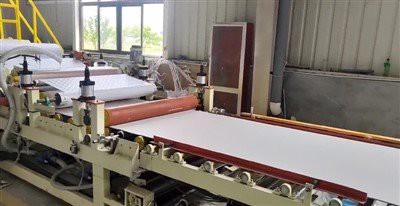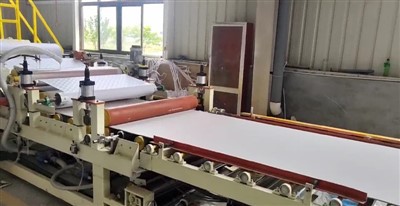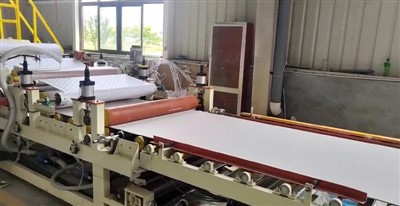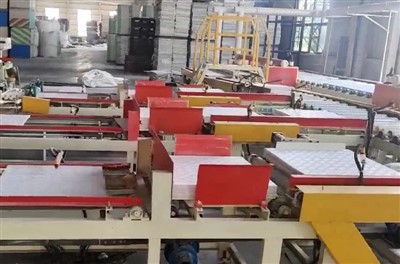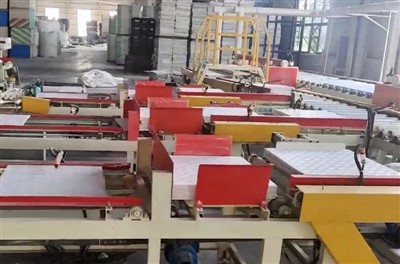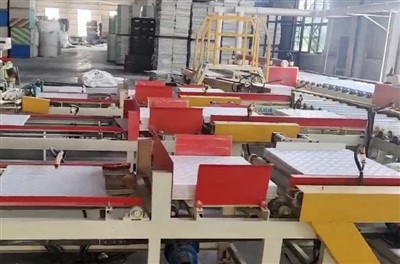

Gypsum powder processing involves four core stages: Crushing, grinding, grading, and collection. Some processes also include calcination. A typical process is as follows: Gypsum ore is fed into a jaw crusher via a vibrating feeder and crushed to particles smaller than 30mm or ≤10mm. It is then transported to a raw material silo by a bucket elevator, followed by grinding in a mill. The ground material is then sent to a fluidized bed furnace or rotary kiln for calcination. The calcined clinker is cooled and stored to become the finished product.
In the grinding stage, the material is crushed by compression and shearing between the grinding rollers and grinding rings. A hot air system simultaneously dries the material, and the feed moisture content must be ≤15%. In the grading and collection stage, a classifier screens the material. Coarse particles are returned to the mill for regrinding, while qualified fine powder (80-2500 mesh or 80-3000 mesh) is recovered by a cyclone collector and pulse dust collector. According to process requirements, a building gypsum production line typically consists of five parts: a crushing system, a storage and conveying system, a grinding system, a calcination system, and an electrical control system.
The desulfurized gypsum production line adopts a unique process: the raw material (dihydrate gypsum) is pre-dried and then enters the calcination system to be transformed into the finished product (hemihydrate gypsum). Its core systems include the raw material system, pre-drying system, calcination system, heating system, control system, dust removal system, and finished product storage system.