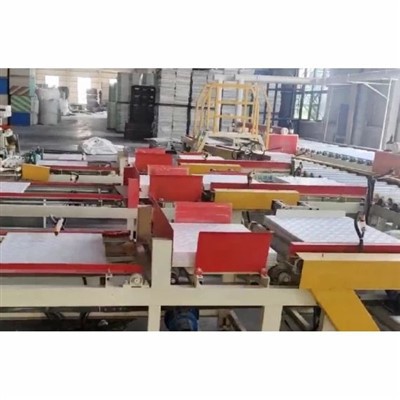

The global construction sector is undergoing a massive shift toward sustainable, fireproof, and energy-efficient materials. As traditional gypsum boards and wood panels face strict environmental and safety regulations, Fiber Cement Boards (FCB) have emerged as the premier choice for modern architectural facades, interior partitions, and flooring substrates.
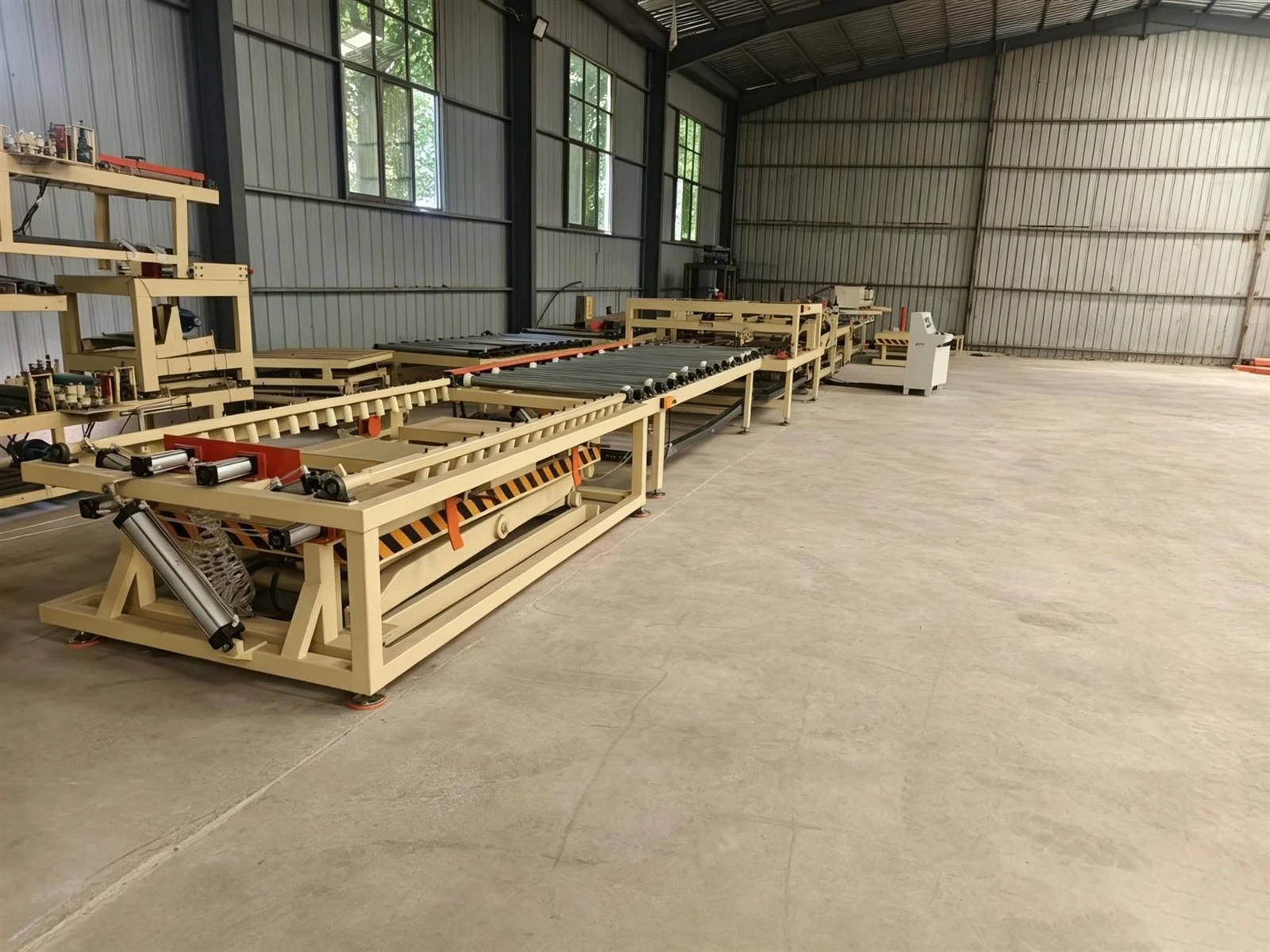
To meet this booming market demand, leading heavy-duty industrial machinery manufacturers have recently upgraded their turnkey Fiber Cement Board Making Machine production lines, offering global manufacturers an unparalleled path to scaling high-density building panel production.
The Rising Global Demand for Fiber Cement Panels
According to recent market analyses, the global fiber cement market is projected to witness exponential growth through 2030, driven heavily by strict building codes in North America, Europe, and the Asia-Pacific region. Governments are increasingly mandating Class A fire-rated and weather-resistant materials for commercial and residential projects.
Fiber cement boards check all the boxes:
100% Asbestos-Free: Eco-friendly and safe for green building certifications (LEED).
Extreme Durability: Resistant to rot, termites, moisture, and severe freeze-thaw cycles.
High Fire-Rating: Non-combustible performance ideal for high-rise exterior cladding.
For building material distributors and industrialists, establishing a local manufacturing plant using an efficient fiber cement sheet production line is becoming one of the most lucrative investments in the industrial sector.
Technical Innovations in Fiber Cement Board Production Lines
Investing in a production line requires a balance of high automation, raw material flexibility, and low operational costs. The latest generation of Fiber Cement Board Manufacturing Plants introduces three breakthrough advantages for overseas buyers:
1. Advanced Hatschek Process with Precision Dosing
The machinery utilizes an optimized wet-forming Hatschek system paired with automatic PLC micro-dosing. This ensures that cement, silica, and cellulose fibers are blended with flawless uniformity, maximizing the tensile and flexural strength of the finished boards while reducing raw material waste.
2. Energy-Saving High-Pressure Steam Autoclaving
Curing is the heart of fiber cement chemical stability. Advanced engineering has re-engineered the autoclave and hydraulic pressing units (delivering up to 10,000 tons of force). The new closed-loop thermal recovery system recycles up to 25% of steam energy, drastically cutting factory electricity and fuel overheads.
3. Flexible Thickness & Sizing Customization
With a single premium manufacturing line, factories can swiftly switch production between thin interior wall boards (4mm–6mm), standard external siding (8mm–12mm), and heavy-duty industrial floor decks (15mm–30mm), allowing investors to rapidly adapt to shifting market orders.
Turnkey Engineering Services for Global Partners
Setting up a heavy industrial plant involves complex planning. Modern engineering providers support overseas clients with full turnkey project execution, including:
Factory layout blueprints based on your land availability.
Customized chemical formulations tailored to local raw material costs (sand, cement, fiber types).
On-site mechanical installation, system calibration, and local labor technical training by senior engineers.
As infrastructure projects accelerate worldwide, transitioning to localized, high-capacity building panel manufacturing is a strategic move. Advanced fiber cement machinery empowers global building material companies with competitive factory-direct pricing, robust mechanical engineering, and lifetime technical support.