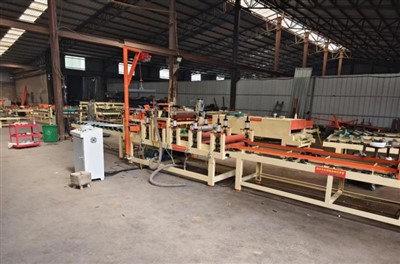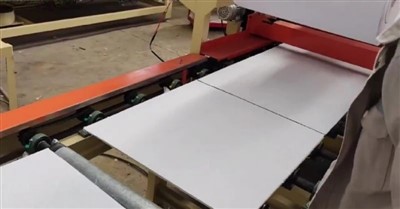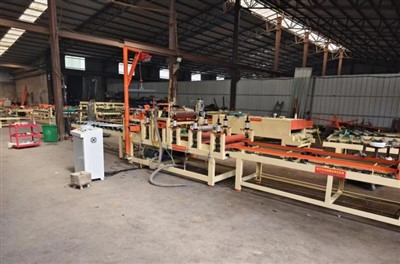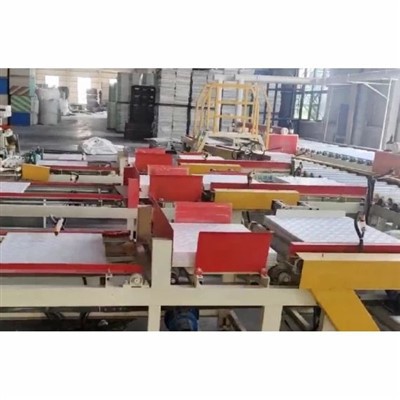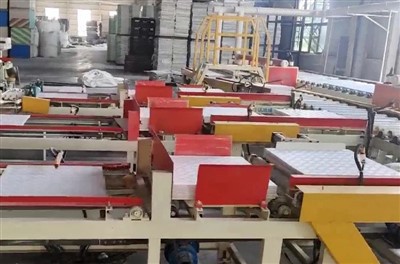


Gypsum ceiling board lamination machinery plays a pivotal role in the construction and interior decoration industries, enabling the production of high - quality, aesthetically pleasing ceiling boards. As a supplier of Gypsum Ceiling Board Lamination Machinery, we understand that like any complex equipment, these machines can encounter common problems. In this blog, we will explore how to troubleshoot some of these issues to ensure smooth operation and optimal productivity.
1. Lamination Adhesion Problems
One of the most common issues with gypsum ceiling board lamination machinery is poor adhesion between the gypsum board and the laminate. This can result in delamination, where the laminate separates from the board over time.
Possible Causes
- Incorrect Adhesive Selection: The adhesive may not be suitable for the specific type of gypsum board and laminate being used. Different materials have different surface properties, and using an incompatible adhesive can lead to weak bonding.
- Improper Adhesive Application: If the adhesive is not applied evenly or at the right thickness, it can cause inconsistent adhesion. Uneven application might be due to clogged nozzles in the adhesive application system or improper adjustment of the coating mechanism.
- Surface Contamination: Dust, grease, or other contaminants on the surface of the gypsum board or the laminate can prevent the adhesive from bonding properly.
Troubleshooting Steps
- Check the Adhesive: Review the product specifications of the adhesive and ensure it is designed for the materials you are working with. You may need to switch to a different adhesive if the current one is not providing adequate adhesion.
- Inspect the Adhesive Application System: Clean any clogged nozzles or ports in the adhesive dispenser. Adjust the settings of the coating mechanism to ensure an even and appropriate thickness of adhesive application. For example, if you are using our Automatic PVC Gypsum Ceiling Lamination Machine, make sure to follow the user manual for proper adjustment of the adhesive coating unit.
- Clean the Surfaces: Before lamination, thoroughly clean the surfaces of the gypsum board and the laminate to remove any dust, grease, or other contaminants. Use a clean, dry cloth or a suitable cleaning agent.
2. Uneven Lamination Thickness
Uneven lamination thickness can result in an unappealing final product and may also affect the structural integrity of the ceiling board.
Possible Causes
- Roller Misalignment: The laminating rollers may not be properly aligned, causing inconsistent pressure distribution during the lamination process. This can lead to areas of thicker or thinner lamination.
- Worn - Out Rollers: Over time, the rollers can wear down, resulting in uneven surfaces. Worn rollers cannot provide uniform pressure, leading to variations in lamination thickness.
- Material Feed Issues: If the gypsum board or the laminate is not fed into the machine smoothly or at a consistent speed, it can cause uneven lamination.
Troubleshooting Steps
- Align the Rollers: Use appropriate measuring tools to check the alignment of the laminating rollers. Adjust the roller positions as needed to ensure they are parallel and evenly spaced. Regularly inspect and maintain the roller alignment to prevent future issues.
- Replace Worn - Out Rollers: If you notice signs of wear on the rollers, such as uneven surfaces or reduced pressure, it is advisable to replace them. We offer high - quality replacement rollers for our PVC Coated Gypsum Ceiling Tiles Machine and other models to ensure consistent performance.
- Check the Material Feed System: Inspect the feeding mechanism to ensure that the gypsum board and the laminate are being fed smoothly and at a constant speed. Adjust the feeders or conveyor belts if necessary to maintain a consistent material flow.
3. Machine Jamming
Machine jamming can bring production to a halt and may even cause damage to the equipment if not resolved promptly.
Possible Causes
- Foreign Objects: Small pieces of debris, such as loose screws, scraps of laminate, or pieces of gypsum, can get into the machine's moving parts and cause jams.
- Incorrect Material Size or Thickness: If the gypsum board or the laminate does not meet the machine's specified size or thickness requirements, it can cause problems during the lamination process and lead to jams.
- Mechanical Problems: Issues with the conveyor belts, gears, or other mechanical components can also result in machine jamming.
Troubleshooting Steps
- Remove Foreign Objects: Stop the machine immediately and carefully remove any foreign objects that may be causing the jam. Inspect the machine's interior thoroughly to ensure no other debris remains.
- Verify Material Specifications: Double - check that the gypsum board and the laminate you are using meet the size and thickness requirements of the machine. If necessary, adjust the cutting or sizing process to ensure proper fit.
- Check Mechanical Components: Inspect the conveyor belts, gears, and other mechanical parts for any signs of damage or wear. Tighten loose components, replace worn parts, and lubricate moving parts as recommended in the machine's maintenance manual.
4. Electrical Issues
Electrical problems can cause the machine to malfunction or even pose a safety hazard.
Possible Causes
- Loose Connections: Over time, electrical connections can become loose due to vibrations or normal wear and tear. Loose connections can lead to intermittent power supply or electrical shorts.
- Faulty Electrical Components: Components such as motors, switches, and control panels can fail due to age, overheating, or electrical surges.
- Power Supply Problems: Inconsistent or incorrect power supply, such as voltage fluctuations or improper grounding, can also cause electrical issues.
Troubleshooting Steps
- Check Electrical Connections: Inspect all electrical connections in the machine, including wires, terminals, and plugs. Tighten any loose connections and ensure they are properly seated.
- Test Electrical Components: Use appropriate testing equipment to check the functionality of electrical components such as motors, switches, and control panels. Replace any faulty components as soon as possible.
- Verify Power Supply: Check the power supply to the machine and ensure it meets the specified voltage and frequency requirements. Install a voltage stabilizer if necessary to protect the machine from voltage fluctuations. Make sure the machine is properly grounded to prevent electrical shocks.
5. Noise and Vibration Issues
Excessive noise and vibration during machine operation can indicate underlying problems and may affect the quality of the lamination process.
Possible Causes
- Unbalanced Components: Rotating components such as motors, rollers, or gears may be unbalanced, causing vibrations and noise.
- Loose Fasteners: Loose bolts, nuts, or other fasteners can cause parts of the machine to vibrate and produce noise.
- Worn - Out Bearings: Bearings that are worn or damaged can cause increased friction and vibration, leading to noise.
Troubleshooting Steps
- Balance Rotating Components: Use balancing equipment to check and adjust the balance of rotating components. This may require professional assistance in some cases.
- Tighten Loose Fasteners: Inspect all fasteners in the machine and tighten any that are loose. Regularly check and maintain the tightness of fasteners to prevent future issues.
- Replace Worn - Out Bearings: If you suspect that the bearings are worn, replace them with new ones. Make sure to use high - quality bearings that are compatible with your machine.
Conclusion
Troubleshooting common problems of gypsum ceiling board lamination machinery requires a systematic approach and a good understanding of the machine's components and operation. By following the steps outlined in this blog, you can identify and resolve many of the issues that may arise during the lamination process.
As a supplier of high - quality gypsum ceiling board lamination machinery, we are committed to providing our customers with the best products and support. If you are experiencing persistent problems or need further assistance, our team of experts is ready to help. Whether you are looking for our Cost - Effective PVC Gypsum Ceiling Tiles Lamination Machine For Medium Factory, Moisture - Resistant PVC Gypsum Ceiling Equipment, or PVC Laminated Gypsum Ceiling Tiles Machine, we can offer solutions tailored to your needs.


If you are interested in purchasing our machinery or have any questions about troubleshooting, please feel free to contact us for a procurement discussion. We look forward to working with you to enhance your production efficiency and product quality.
References
- Manufacturer's manuals for gypsum ceiling board lamination machinery
- Industry best practices for equipment maintenance and troubleshooting
- Technical literature on lamination processes and adhesives