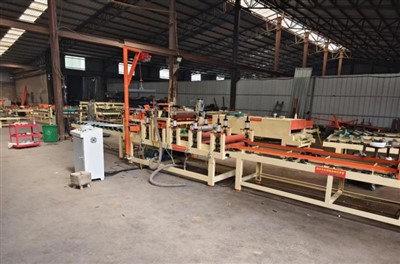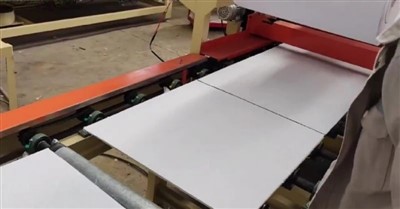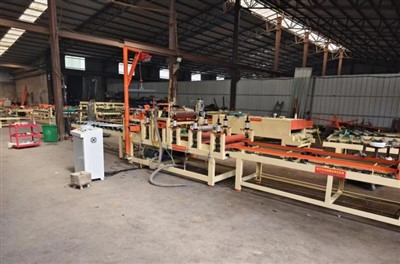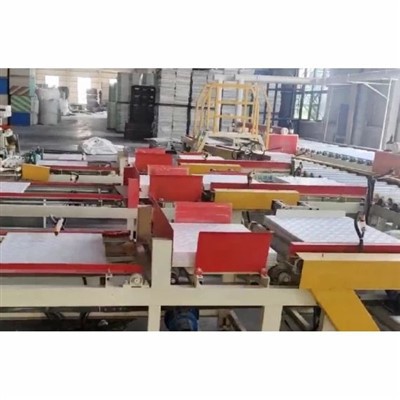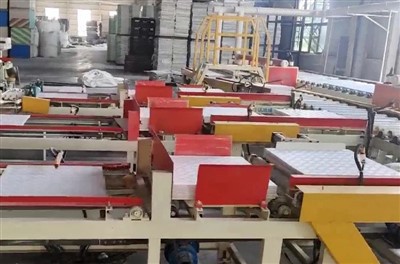


In the construction and interior decoration industry, PVC - faced Gypsum Ceiling Tiles have gained immense popularity due to their aesthetic appeal, durability, and ease of installation. As a supplier of link text: PVC-faced Gypsum Ceiling Tile Produce Line, I am well - versed in the various components that make up this production line, especially the pressing system.
Understanding the Basics of PVC - faced Gypsum Ceiling Tiles
Before delving into the pressing system, it's essential to understand the nature of PVC - faced Gypsum Ceiling Tiles. These tiles are made by combining a gypsum core with a PVC facing. The gypsum core provides strength, fire - resistance, and acoustic properties, while the PVC facing adds a decorative touch, enhances durability, and makes the tiles easier to clean.
The Role of the Pressing System in the Production Line
The pressing system is a crucial part of the PVC - faced Gypsum Ceiling Tile Produce Line. Its main function is to compress the gypsum mixture and bond the PVC facing firmly to the gypsum core. This process ensures the integrity and quality of the final product in several ways:
1. Density and Strength
The pressing system applies a specific amount of pressure to the gypsum mixture. By compressing the gypsum, the density of the tile is increased, which in turn enhances its strength. A higher - density tile is less likely to break or crack during installation or normal use, making it more suitable for various construction applications.
2. Bonding of PVC Facing
One of the critical aspects of PVC - faced Gypsum Ceiling Tiles is the strong bond between the gypsum core and the PVC facing. The pressing system uses heat and pressure to activate the adhesive between the two materials. This ensures that the PVC facing remains firmly attached to the gypsum core, preventing peeling or delamination over time.
3. Uniformity
The pressing system ensures that the pressure is evenly distributed across the entire surface of the tile. This results in a uniform thickness and density of the tile, which is essential for a professional and high - quality finish. A uniform tile also fits together more seamlessly during installation, reducing gaps and ensuring a smooth ceiling appearance.
Components of the Pressing System
1. Pressing Plates
Pressing plates are the main components that come into contact with the gypsum mixture and the PVC facing. They are typically made of high - strength steel to withstand the pressure applied during the pressing process. The surface of the pressing plates can be smooth or textured, depending on the desired finish of the ceiling tile. Smooth plates produce a glossier finish, while textured plates can create patterns such as wood grain or stone texture on the PVC facing.
2. Hydraulic System
A hydraulic system is often used to generate and control the pressure in the pressing system. Hydraulic cylinders are connected to the pressing plates, and by pumping hydraulic fluid into the cylinders, the pressure can be adjusted according to the requirements of the production process. The hydraulic system offers precise control over the pressure, allowing for consistent and accurate pressing of the tiles.
3. Heating Elements
In many pressing systems, heating elements are incorporated to facilitate the bonding process between the gypsum core and the PVC facing. The heat softens the adhesive between the two materials, allowing it to flow and form a strong bond. The heating elements can be set at different temperatures to accommodate different types of adhesives and materials, ensuring optimal bonding results.
Working Process of the Pressing System
The working process of the pressing system in a PVC - faced Gypsum Ceiling Tile Produce Line can be divided into several steps:
1. Material Loading
First, the gypsum mixture is placed on a conveyor belt, and the PVC facing is also fed onto the gypsum core. The amount of gypsum mixture and the positioning of the PVC facing are carefully controlled to ensure the correct thickness and alignment of the final tile.
2. Pre - Pressing
Before the main pressing stage, there is often a pre - pressing step. This involves applying a relatively low pressure to the gypsum mixture and the PVC facing to remove any air bubbles and ensure a flat surface. The pre - pressing helps to prepare the materials for the more intense main pressing process.
3. Main Pressing
In the main pressing stage, the pressing plates close together, and the hydraulic system applies the required pressure. At the same time, the heating elements are activated to increase the temperature. The combination of pressure and heat causes the gypsum to compress and the adhesive to bond the PVC facing to the gypsum core. This stage usually lasts for a specific period, which is determined by the properties of the materials and the desired quality of the tile.
4. Post - Pressing
After the main pressing, the tiles are held under pressure for a short period to allow the adhesive to fully cure. Then, the pressing plates open, and the finished tiles are ejected from the pressing system and transferred to the next stage of the production line, such as cutting and trimming.
Quality Control in the Pressing System
Maintaining high - quality standards is essential in the production of PVC - faced Gypsum Ceiling Tiles. Quality control in the pressing system involves several aspects:
1. Pressure Monitoring
Regular monitoring of the pressure applied by the pressing system is crucial. Pressure sensors are installed in the hydraulic system to measure the pressure accurately. If the pressure deviates from the set parameters, adjustments can be made immediately to ensure consistent tile quality.


2. Temperature Control
The temperature of the heating elements also needs to be precisely controlled. Temperature sensors are used to monitor the temperature, and the heating elements are adjusted accordingly. Incorrect temperatures can lead to poor bonding or damage to the materials, so maintaining the right temperature is essential for a high - quality product.
3. Visual Inspection
Visual inspection of the tiles after pressing is another important quality control measure. Operators check for any signs of defects such as unevenness, delamination, or cracks. Tiles that do not meet the quality standards are removed from the production line and either re - processed or discarded.
Advantages of Our PVC - faced Gypsum Ceiling Tile Produce Line Pressing System
As a supplier of link text: PVC-faced Gypsum Ceiling Tile Produce Line, we offer a pressing system with several advantages:
1. High Precision
Our pressing system is designed to offer high precision in pressure and temperature control. This ensures that each tile produced has the same quality and meets the strictest industry standards.
2. Durable Components
We use high - quality materials in the manufacturing of our pressing system components, such as the pressing plates and the hydraulic cylinders. This results in a long - lasting and reliable pressing system that requires minimal maintenance.
3. Customizability
We understand that different customers may have different requirements for their PVC - faced Gypsum Ceiling Tiles. Our pressing system can be customized to produce tiles of various sizes, thicknesses, and surface finishes. Whether you need smooth tiles for a modern look or textured tiles for a more rustic feel, our system can be adjusted to meet your needs.
Related Equipment in the PVC - faced Gypsum Ceiling Tile Produce Line
In addition to the pressing system, our link text: PVC Gypsum Ceiling Production Equipment includes other important components. For example, the link text: Automatic PVC Film Laminating Gypsum Machine is responsible for accurately laminating the PVC film onto the gypsum core before the pressing process. The link text: PVC Laminated Gypsum Board Machine integrates various functions to ensure the smooth production of the PVC - faced gypsum boards. And our link text: Economy PVC Gypsum Ceiling Board Processing Plant offers a comprehensive solution for cost - effective and high - quality production.
Conclusion and Call to Action
The pressing system is an integral part of the PVC - faced Gypsum Ceiling Tile Produce Line, playing a vital role in determining the quality and performance of the final product. Our company, as a professional supplier, offers a state - of - the - art pressing system and related production equipment that can meet the diverse needs of our customers.
If you are interested in our PVC - faced Gypsum Ceiling Tile Produce Line or any of our related products, please feel free to get in touch with us. We are ready to provide you with detailed information, technical support, and customized solutions. Let's work together to bring high - quality PVC - faced Gypsum Ceiling Tiles to the market and contribute to the development of the construction and interior decoration industry.
References
- "Handbook of Gypsum in Construction" - A comprehensive guide on the properties and applications of gypsum in the construction field.
- "Plastic Films for Packaging and Decoration" - This book provides insights into the use of PVC films in various industries, including ceiling tile production.
- "Industrial Pressing Systems: Principles and Applications" - Covers the fundamental concepts and practical applications of pressing systems in manufacturing.